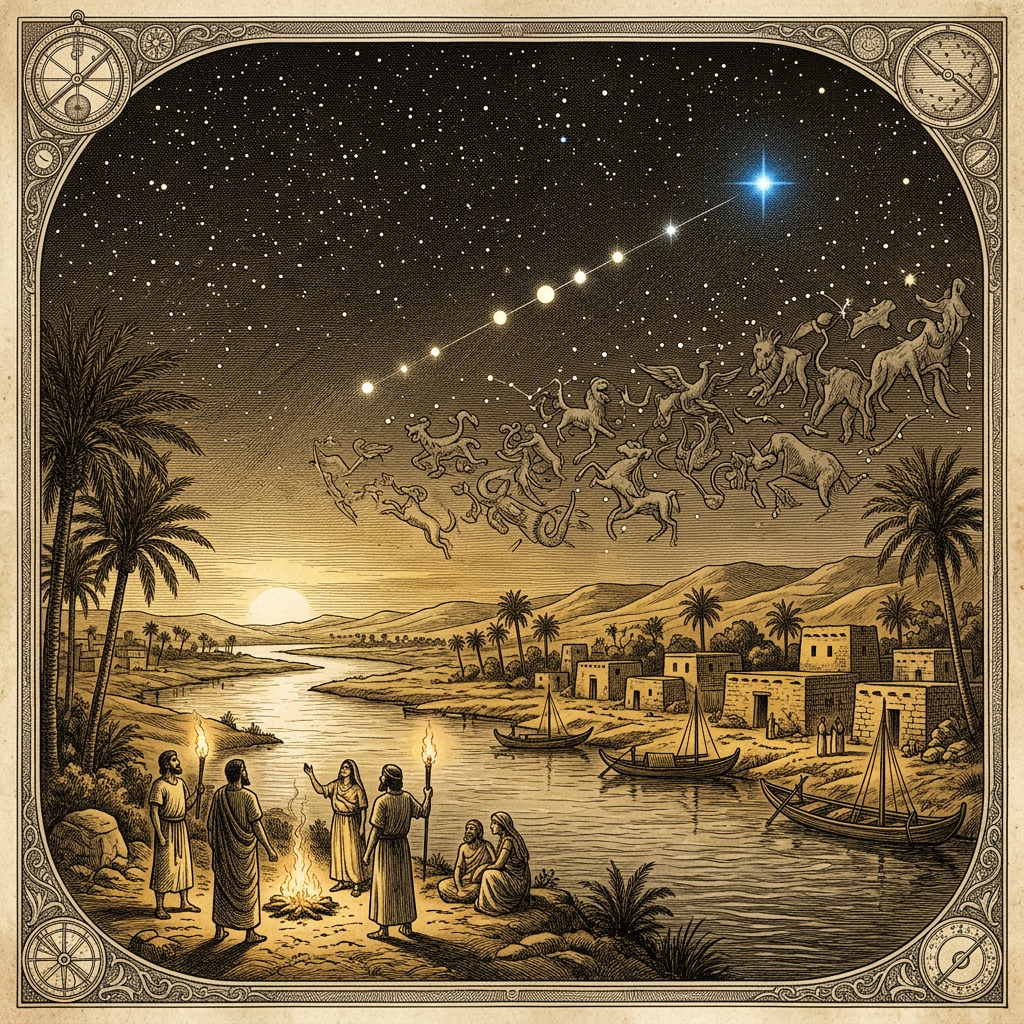
A multi-disciplinary study combining philology and modern astrophysics has validated a series of celestial observations found in the later layers of the Rigveda. Researchers used high-resolution sky simulations to search for a specific alignment described in the text: the heliacal rising of the star Canopus during a rare triple conjunction of Mars, Jupiter, and Saturn. The simulations pinpointed the exact occurrence of this event to the spring of 1950 BCE.
The findings, featured in Archaeology Magazine, support the theory that Vedic ritualists maintained precise records of the night sky for thousands of years. This specific alignment occurred in the constellation of Punarvasu, matching the descriptions in the hymns with remarkable detail. This study provides a concrete chronological anchor for the composition of specific Vedic passages and highlights the observational rigor of ancient Indian science.