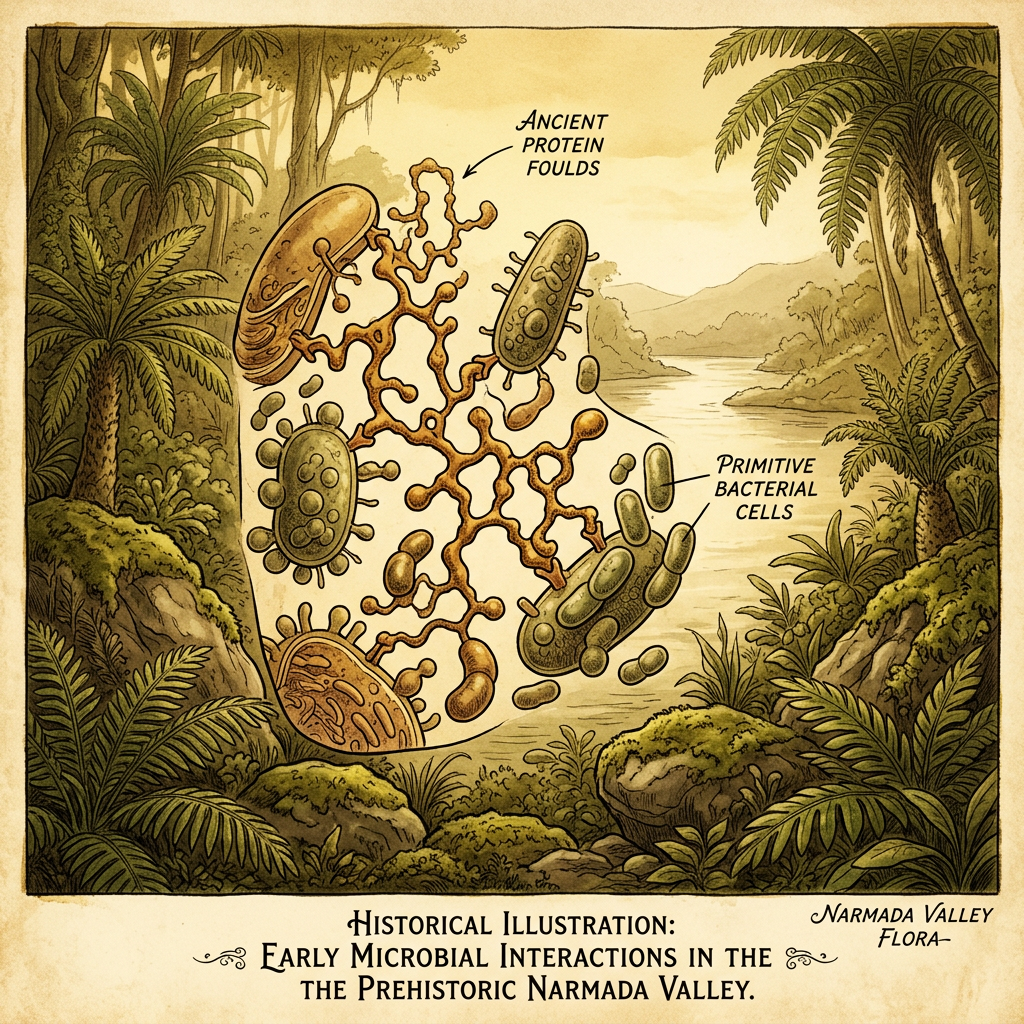
A groundbreaking proteomic study of 50,000-year-old hominin remains from the Narmada Valley in India has identified a unique evolutionary defense mechanism. Researchers recovered ancient proteins from femur fragments that reveal a specialized resistance to Melioidosis, a severe tropical disease caused by the soil-dwelling bacterium Burkholderia pseudomallei.
This find suggests that the Narmada hominins possessed a highly adapted immune system tailored to the specific pathogenic environment of the Indian subcontinent's alluvial plains. This genetic resilience provides evidence for the long-term evolutionary continuity of human relatives in the region, adapting to environmental stressors that remain a public health challenge today.