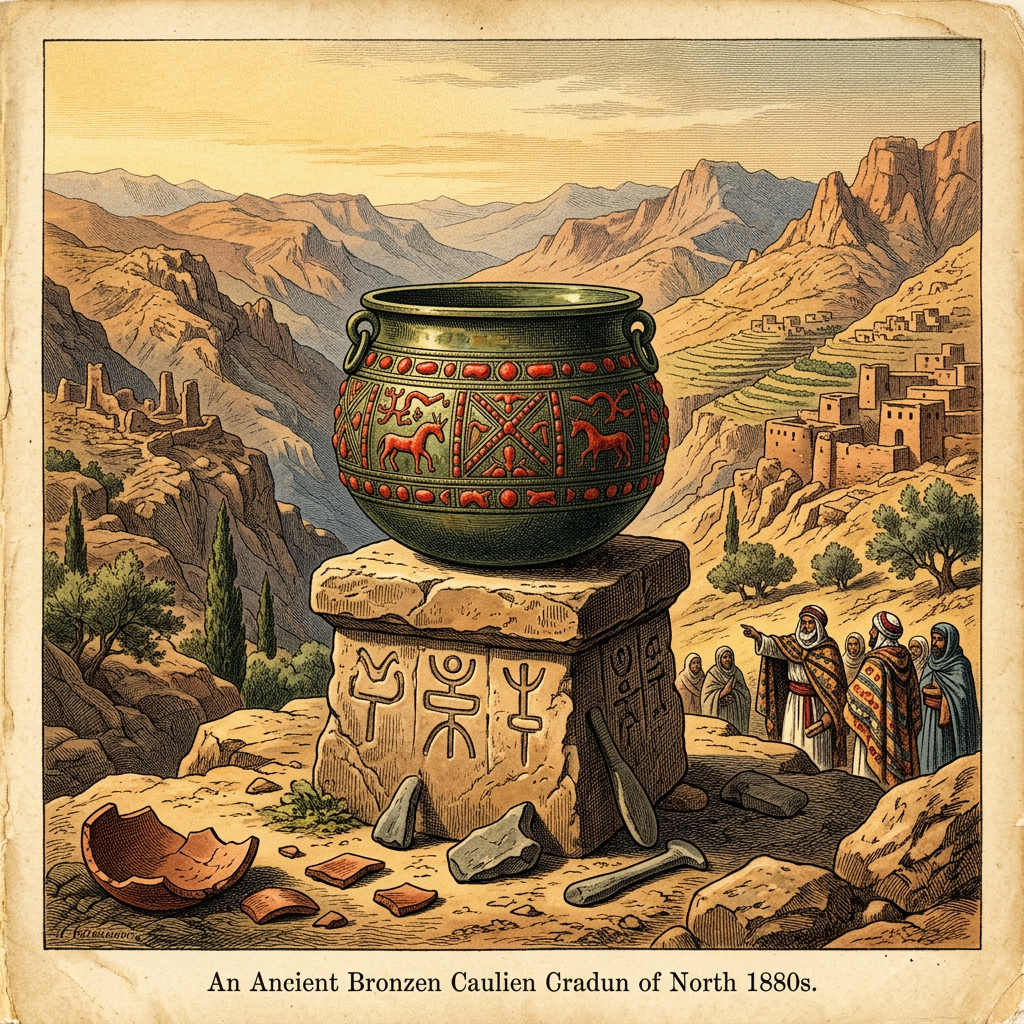
Excavations at a high-altitude sanctuary in the Aurès Mountains of Algeria have yielded a remarkable set of bronze cauldrons featuring intricate coral and malachite inlays. These vessels, dated to the 2nd century BC, appear to have been used for communal preparation of ritual grain-based porridges, suggesting a direct archaeological link to the prehistoric roots of the modern-day Berber Yennayer celebrations.
Researchers note that the residue found within the cauldrons contains traces of early domesticated wheat and aromatic mountain herbs, indicating a complex ceremonial culinary tradition. The discovery of associated animal figurines nearby suggests that these spring gatherings were not only agricultural markers but also significant social events designed to invoke fertility for the coming season.