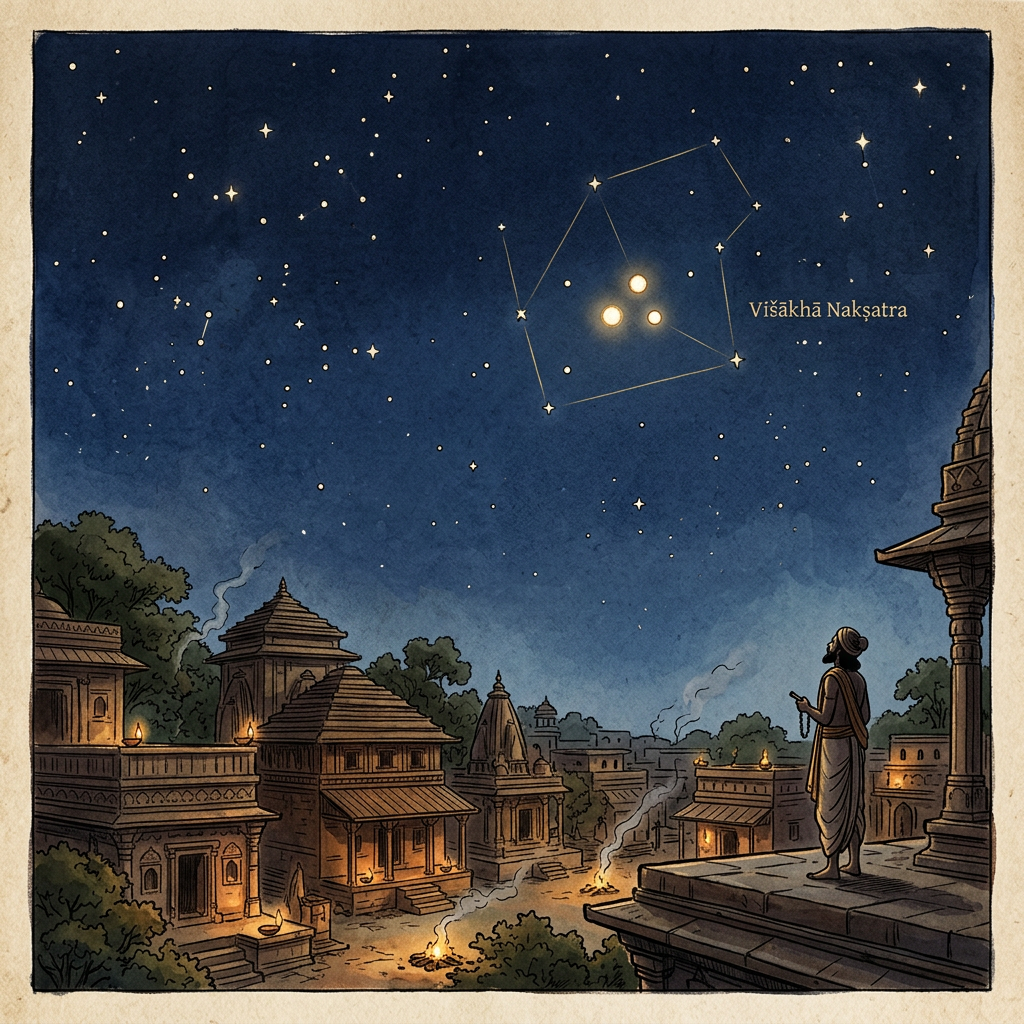
Astronomers and Indologists have identified a direct correlation between specific ritual descriptions in the Shukla Yajurveda and a rare celestial event that occurred over 4,500 years ago. Using high-precision retro-simulations, the team found that the prescribed timing of certain 'Soma' sacrifices corresponds exactly to a triple conjunction of Mars, Saturn, and Jupiter in the constellation of Vishakha, which was visible from the Gangetic Plain in 2650 BCE. The text describes 'three flaming guardians' meeting in the 'forked star,' a nomenclature that fits the visual appearance of the conjunction within that specific lunar mansion.
This study reinforces the theory that the Vedic Samhitas were not merely liturgical collections but served as sophisticated astronomical records. The precision of the alignment suggests that the authors were using advanced observational techniques to calibrate their ritual calendars. This findings provide a robust archaeo-astronomical anchor for dating the composition of the Yajurvedic layers, aligning them with the height of the Mature Harappan urban phase.