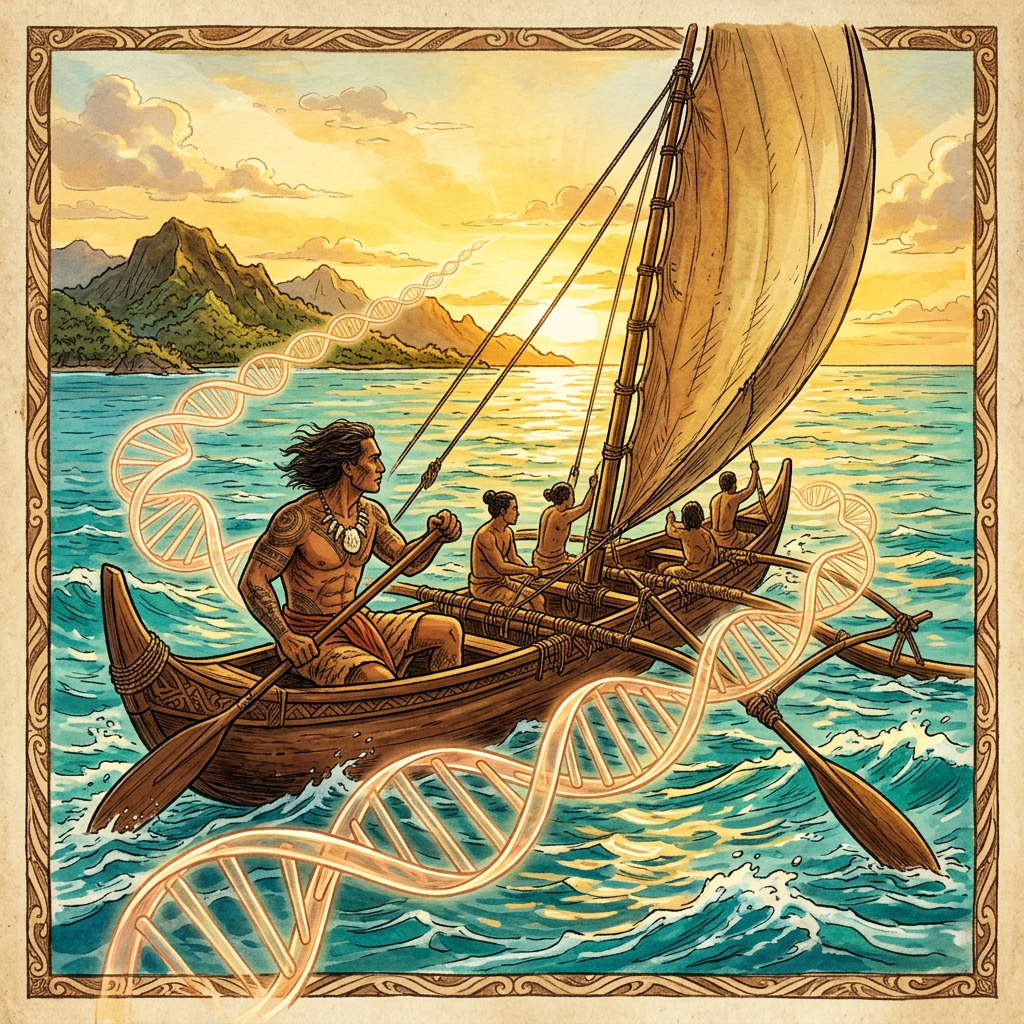
Paleogenomic researchers have sequenced the oldest known human remains from the Chuuk Lagoon in Micronesia, dating back to 10,000 years ago. The analysis, published in Science Advances, identifies a unique set of genetic markers associated with resilience to skin and neurological pathogens common in high-salinity, low-freshwater environments. These markers suggest that the earliest settlers of the Pacific islands underwent rapid evolutionary selection shortly after their arrival.
The study also sheds light on the ancestry of these early maritime explorers, linking them to a distinct branch of the Sunda Shelf populations that diverged before the rising sea levels at the end of the Pleistocene. By comparing these ancient genomes with modern Micronesian populations, scientists can now trace the long-term survival strategies and migratory routes that enabled the colonization of remote Oceania. This genetic blueprint provides a detailed look at how humans adapted to the unique dietary and environmental challenges of island life.