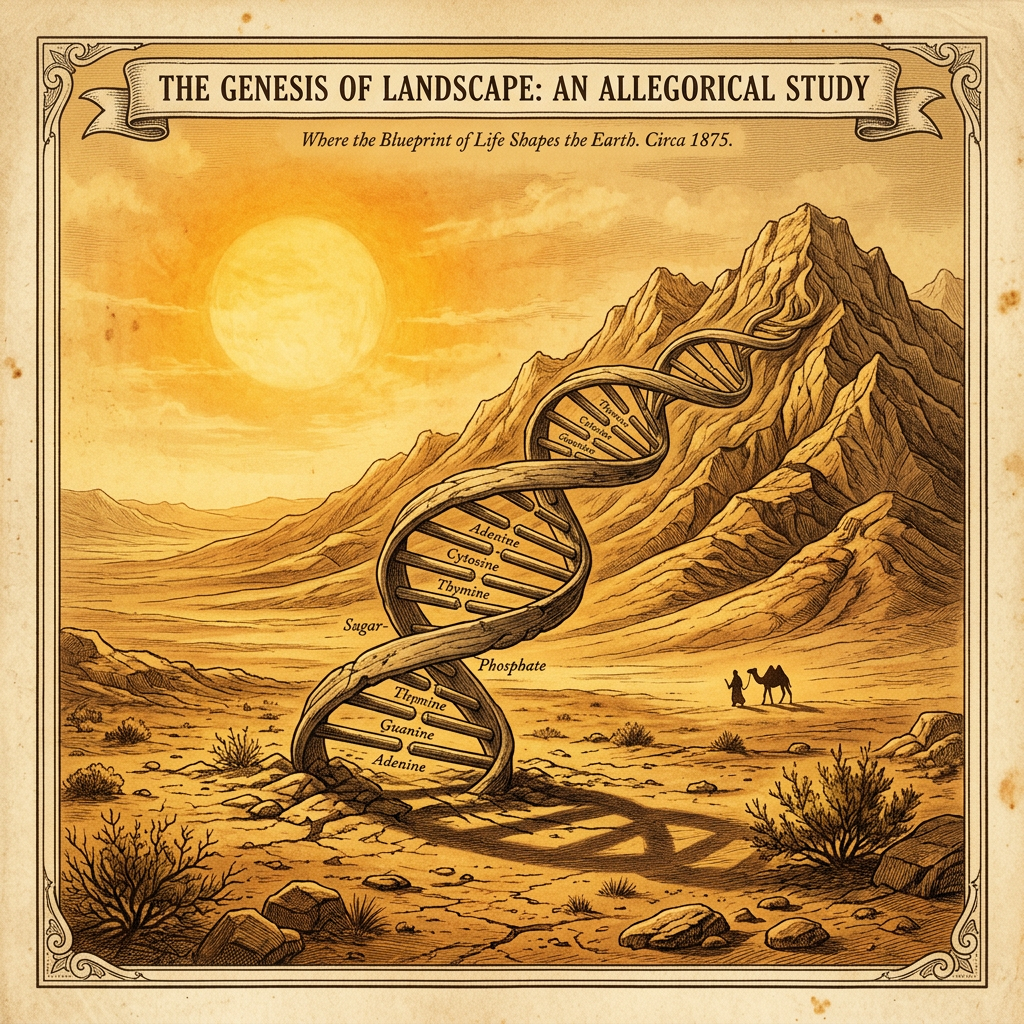
In a study published in Science Advances, an international team of geneticists has completed the genomic analysis of 11,000-year-old remains found in the Gobi-Altai mountain range. The results identify a previously unknown genetic mutation in the SLC12A1 gene, which provided early hunter-gatherers with an enhanced physiological ability to process high-alkali water found in the region's terminal lakes during the Holocene transition.
This adaptation allowed the population to survive in extreme alkali soil environments during periods of severe desertification. The research highlights the rapid pace of human evolution in response to localized environmental stress and provides a new genetic marker for tracing post-glacial migrations across the Central Asian steppe and the resilience of high-latitude desert tribes.