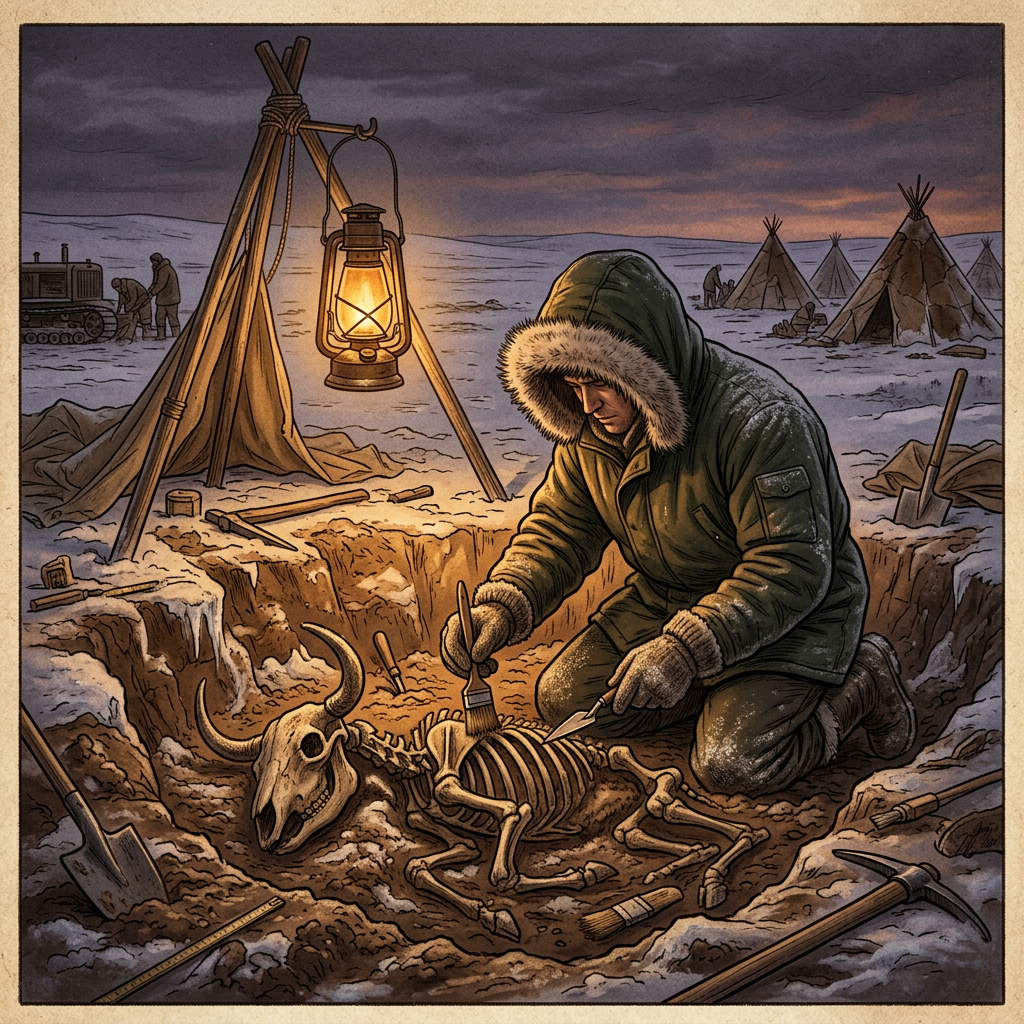
Paleogenomic researchers at Nature Communications have sequenced the DNA of 13,000-year-old remains found in the Siberian permafrost, revealing a unique evolutionary adaptation. The study identifies specific genetic markers in a Paleo-Siberian lineage that allowed for the efficient metabolism of high-tannin tundra vegetation, which was previously considered indigestible or toxic to early human populations.
This genetic breakthrough suggests that late-Pleistocene hunter-gatherers in the Arctic developed specialized enzymes to exploit a wider range of botanical resources during periods of megafaunal scarcity. The findings provide critical new insights into how early human groups successfully navigated the extreme environmental shifts of the Last Glacial Maximum through rapid genetic selection.