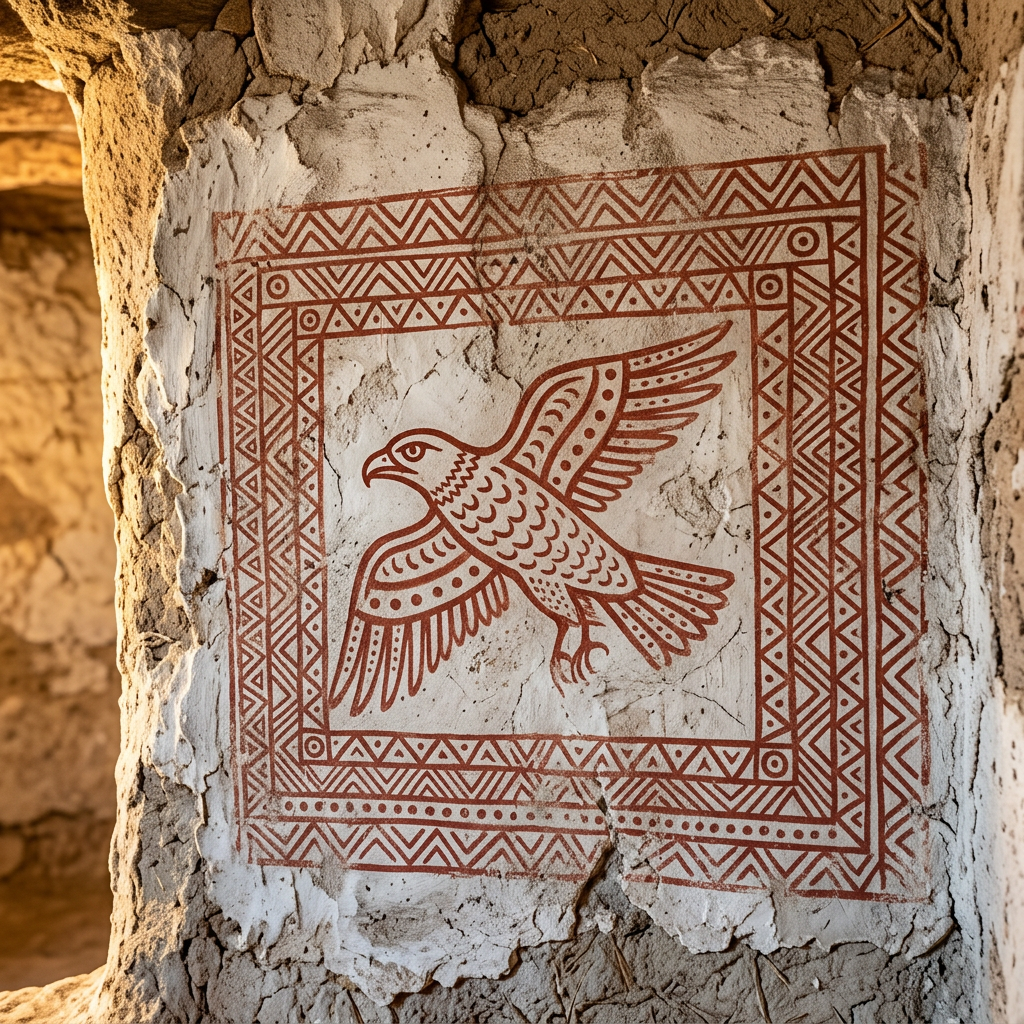
Archaeologists working in the heart of Turkey's Cappadocia region have announced the discovery of a remarkably well-preserved Neolithic shrine dating back over eight millennia. The site, which predates many of the region's famous underground cities, features unique painted plaster reliefs depicting intricate geometric patterns and early depictions of predatory birds, which researchers believe served as a focal point for ritualistic community gatherings.
The excavation team from the Anatolian Research Institute notes that the structure's walls were coated in multiple layers of lime-based plaster, which helped preserve the vibrant ochre and charcoal pigments used by the ancient inhabitants. This discovery provides critical insights into the spiritual lives and symbolic architecture of early farming communities in Central Anatolia, bridging the gap between the famous site of Çatalhöyük and later Bronze Age developments.