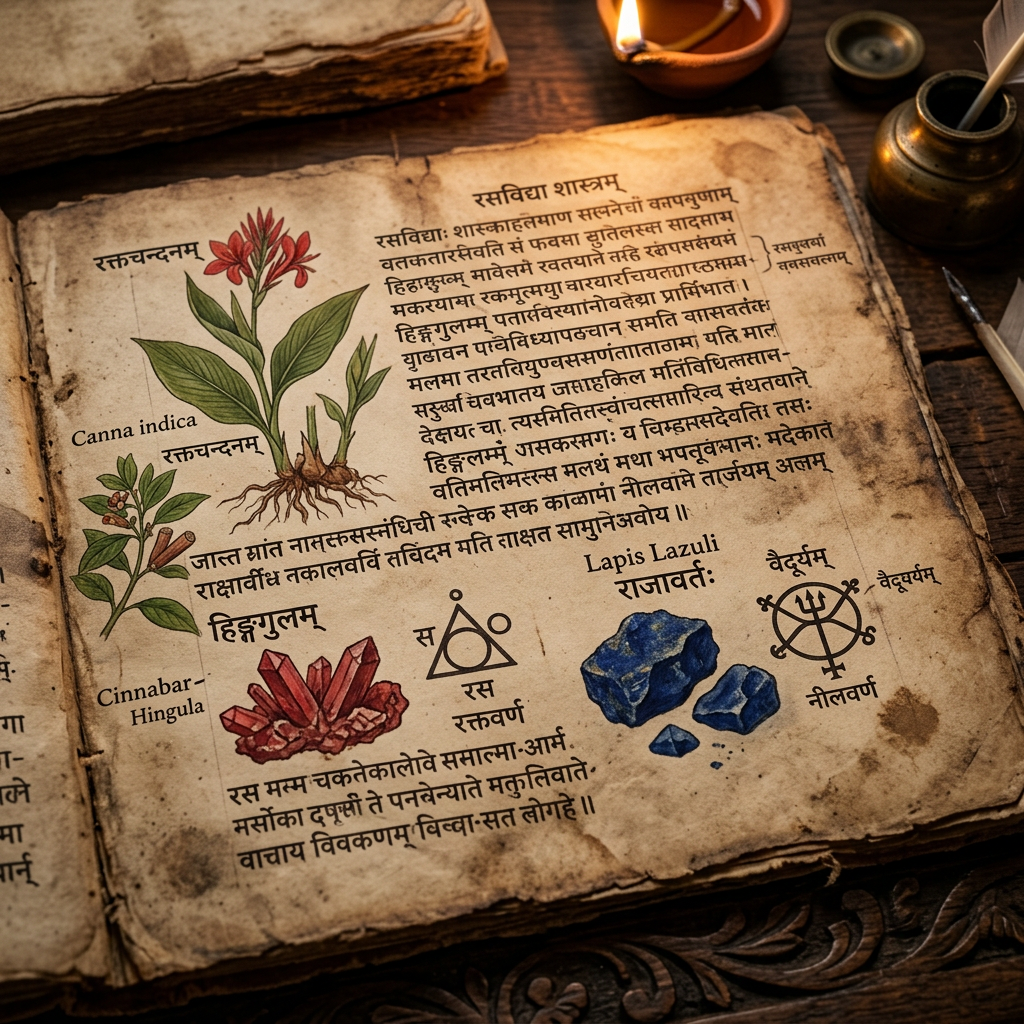
A collaborative project between the National Archives and AI researchers has deciphered a set of 10th-century Shilpa-Chintamani palimpsests, revealing unrecorded Sanskrit protocols for mural chemistry. The documents provide detailed instructions on using specific plant-derived resins and metallic oxides to enhance the photostability and moisture resistance of pigments used in temple caves.
According to the paper in Art & Archaeology Today, these protocols describe a "nano-bonding" process where mineral dyes were treated with organic stabilizers to prevent oxidation. This discovery explains the remarkable preservation of certain ancient Indian frescoes and offers new insights into the highly developed material science of early medieval artisanal guilds.