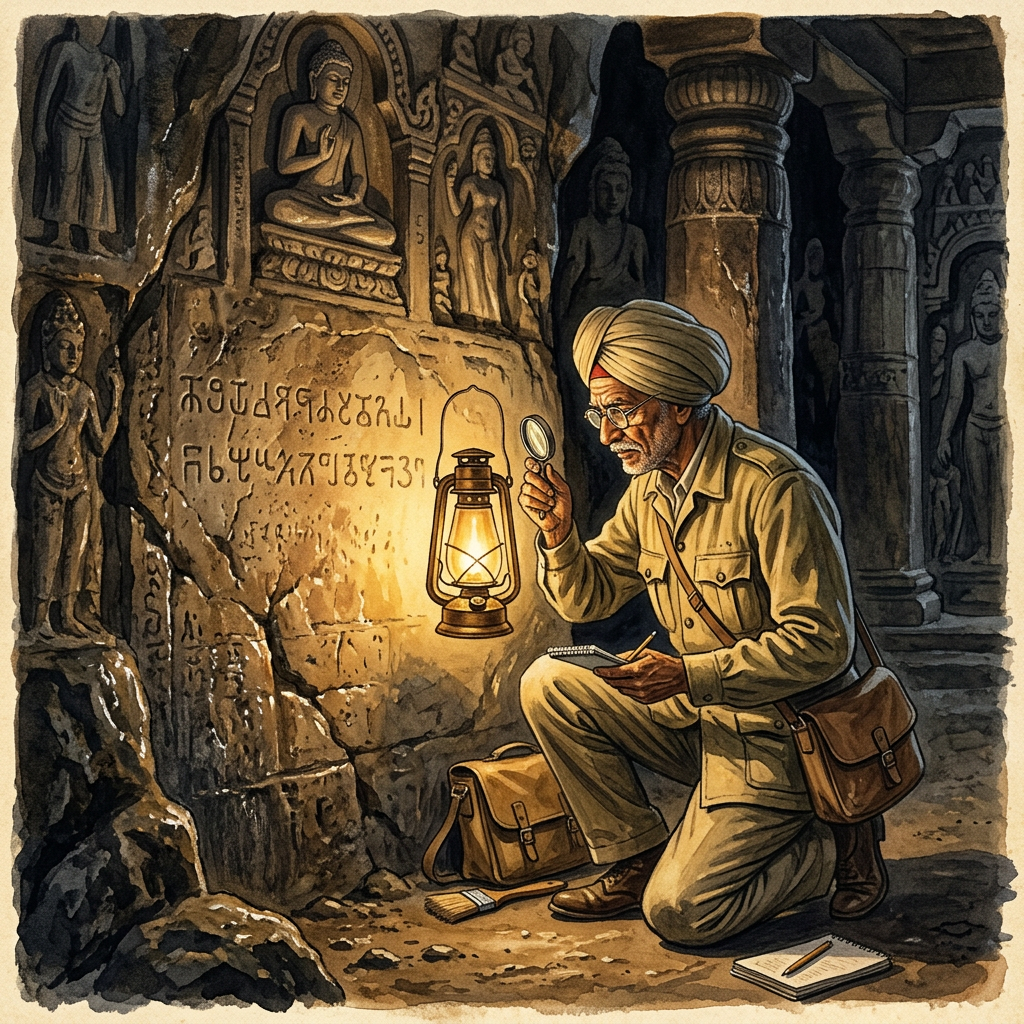
Archaeologists excavating a cave system in the northern Sahyadri range have uncovered 5th-century BCE inscriptions detailing the 'Kshama-Sutra', a previously unknown treatise on the philosophy of radical forgiveness. The Brahmi script inscriptions suggest that early Vedic thinkers viewed forgiveness not merely as a moral choice but as a cosmic necessity for maintaining social and spiritual equilibrium.
This discovery provides a rare archaeological link between Sanatan Dharma and the practical application of ethics in ancient society. Scholars noted that the text emphasizes the 'untying of the heart' as a prerequisite for spiritual progress, offering a sophisticated psychological framework for the resolution of communal conflicts.