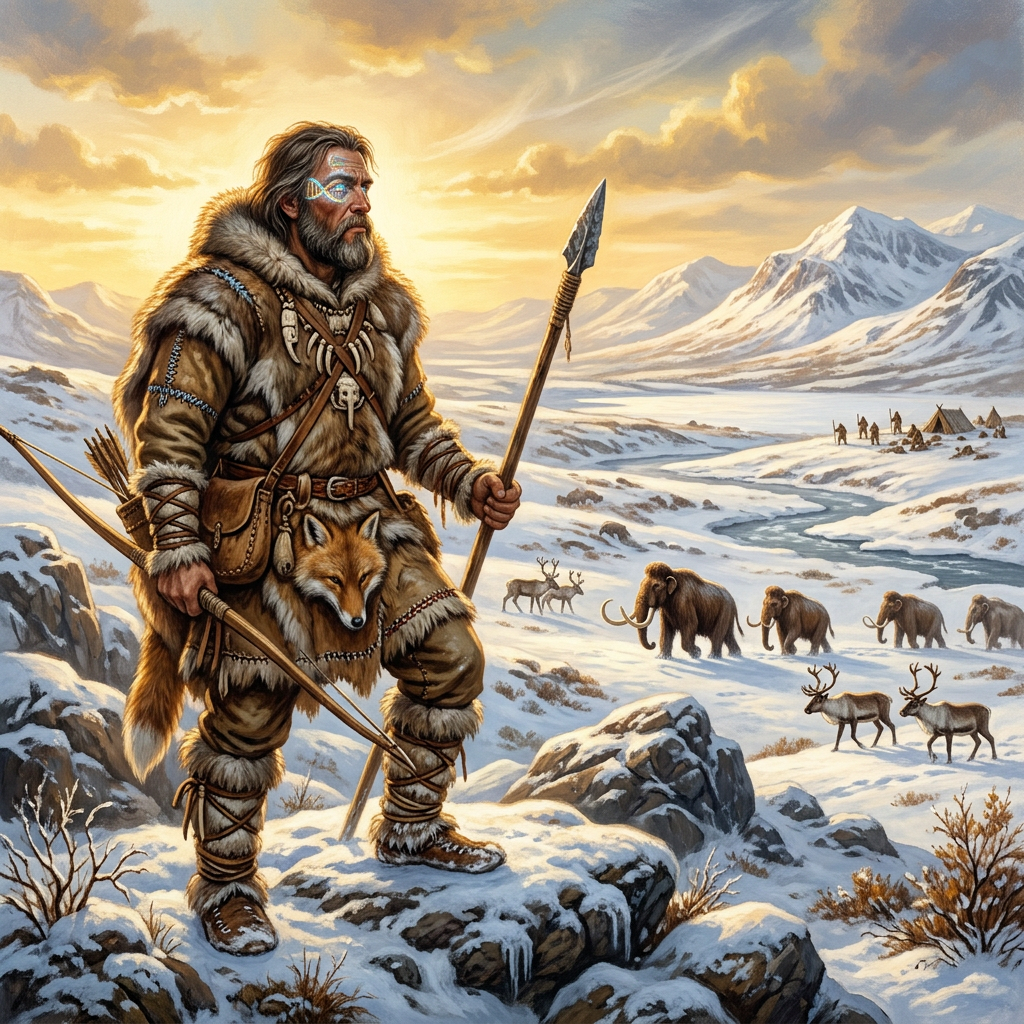
A large-scale genomic study of 12,000-year-old skeletal remains found in the Taimyr Peninsula has identified the earliest known genetic signature of adaptation to High-Latitude Phototoxicity. Researchers found that this population possessed a rare duplication of the GJA8 gene, which enhanced the resilience of ocular proteins against the high-intensity ultraviolet radiation reflected off snow and ice.
This genetic breakthrough, featured in Science Anthropological Review, suggests that early Arctic hunter-gatherers developed specialized biological defenses against snow blindness and cataract formation long before the documented use of physical protective gear like bone goggles. The study provides new insights into the extreme physiological adaptations necessary for humans to colonize the most high-radiation environments on Earth during the end of the last Ice Age.