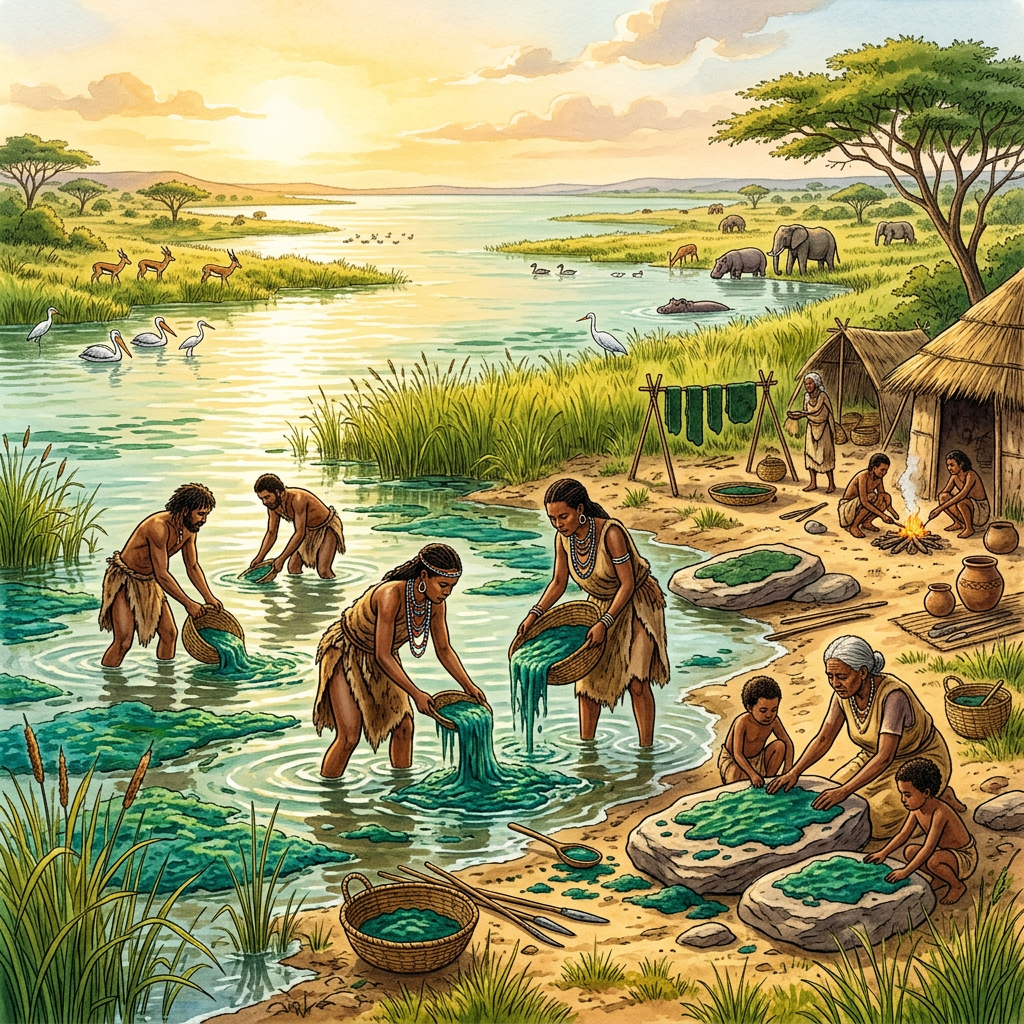
Published this week in Nature Paleogenomics, a comprehensive DNA analysis of skeletal remains from the Lake Chad Basin has revealed a previously unknown lineage of hunter-gatherers. This population, dating back to 9000 BCE, shows distinct genetic markers for the metabolism of high-protein aquatic flora, specifically specialized enzymes for neutralizing toxins found in cyanobacteria (blue-green algae). This discovery provides the first genetic evidence of early human adaptation to the unique nutritional and toxicological challenges of the Saharan-Sahelian 'Green Sahara' ecosystem.
The study suggests that these foragers maintained a high degree of genetic isolation for nearly 4,000 years, developing a resilient immune system against endemic waterborne pathogens. Lead researcher Dr. Elena Vance noted that the 'Lake Chad Pulse' represents a significant missing piece in the anthropological map of Africa, bridging the gap between North African Iberomaurusians and West African forest-dwellers. The findings indicate that the early Holocene Sahara was a melting pot of highly specialized communities thriving in diverse micro-environments.