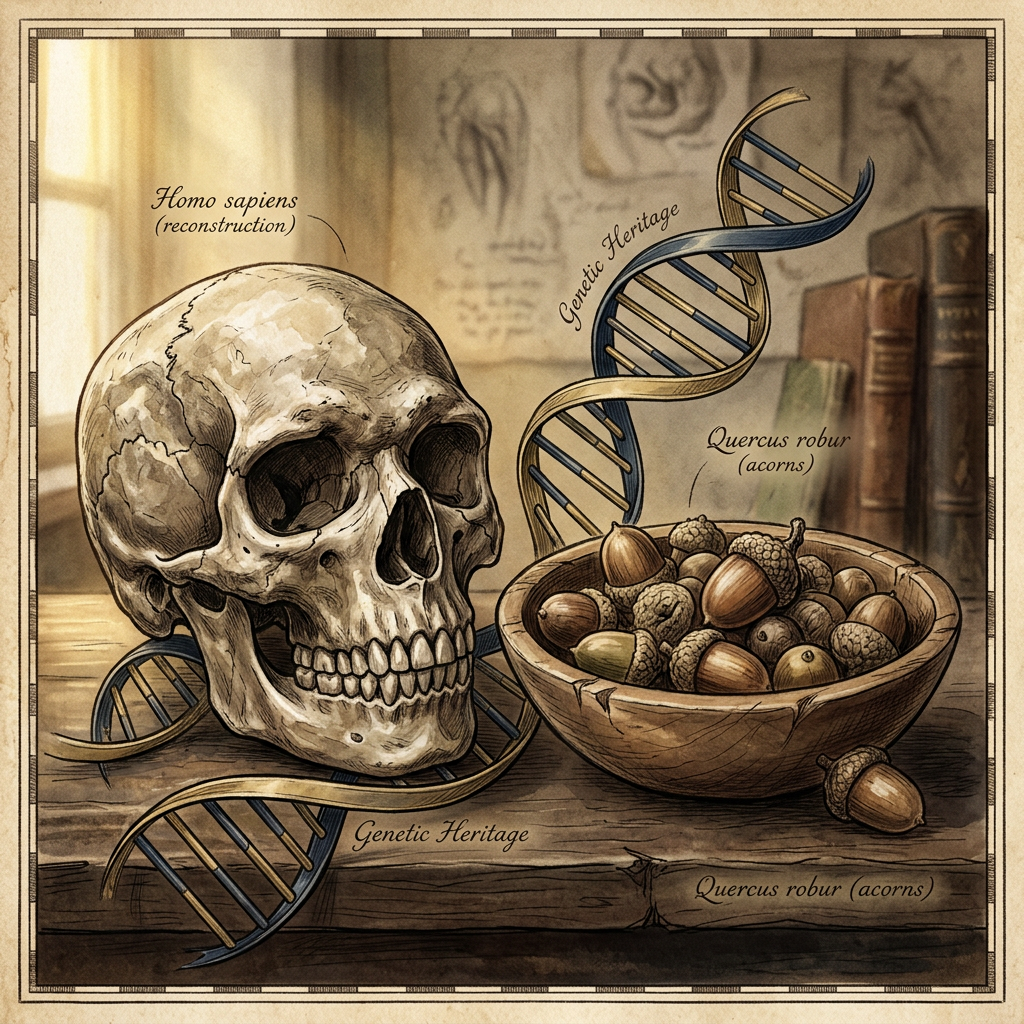
A landmark study in the Anthropological Science Quarterly has analyzed the genomes of late Pleistocene hunter-gatherers from the Hyrcanian forest region of the Caspian Sea. The research identified a unique genetic divergence in the 14,000-year-old remains, characterized by specialized metabolic pathways for processing high-tannin dietary sources, such as acorns and wild forest nuts. This represents the earliest known human evolutionary response to the phytochemical toxins prevalent in temperate broadleaf forest ecosystems.
The 'Hyrcanian lineage' appears to have thrived in the dense forest refugia during the final stages of the Last Glacial Maximum. The genomic data reveals a specific SNP (Single Nucleotide Polymorphism) on the chromosome responsible for salivary proline-rich proteins, which effectively bind and neutralize tannins before digestion. This adaptation allowed these populations to utilize a stable, high-calorie food source that was toxic to other human groups, providing a competitive advantage in the resource-rich but chemically hostile forest environment.