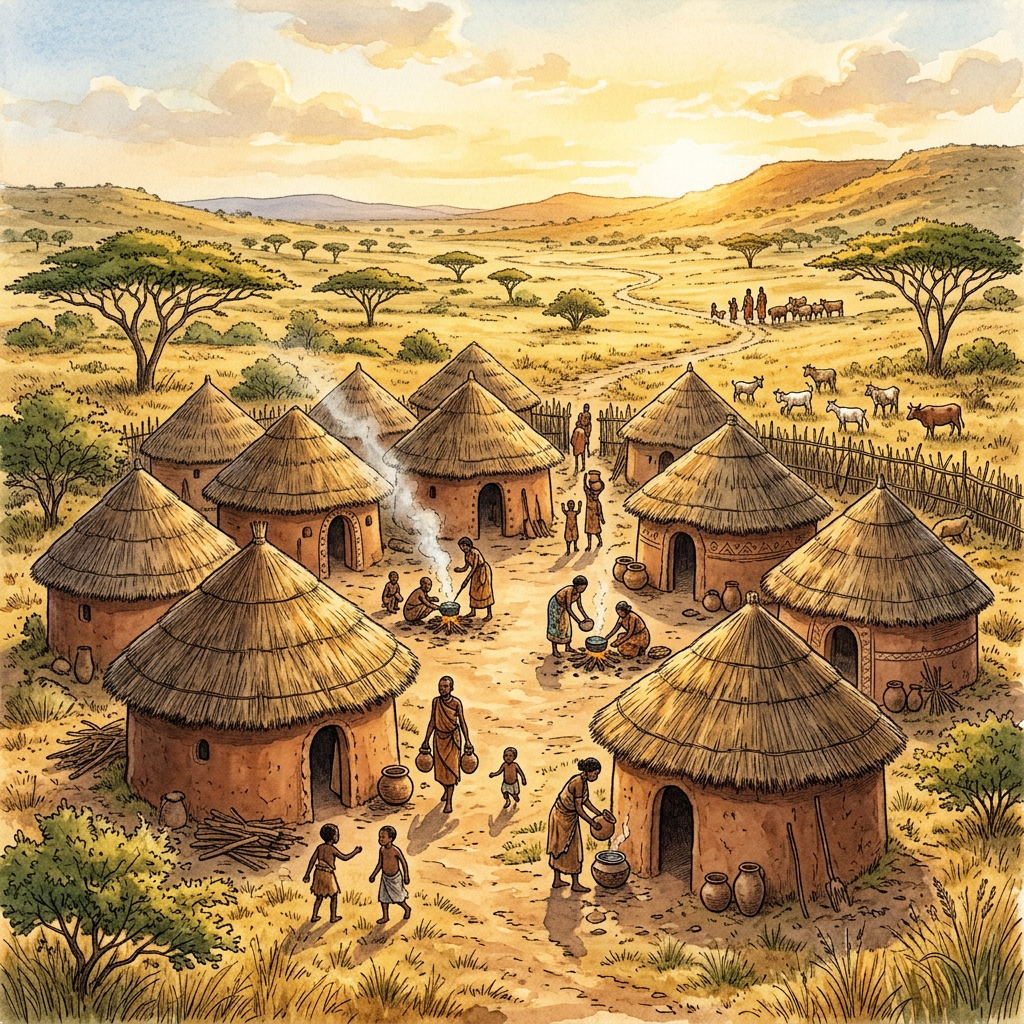
UNESCO has officially designated the Traditional Vernacular Earth-Architecture of the Limpopo Basin as a World Heritage site, citing its unique construction techniques and historical significance to the region's indigenous communities. These structures, built using a specific blend of local clay and organic binders, have survived for centuries despite the harsh environmental conditions of the Southern African interior.
The inscription recognizes the site's role as a center for social and spiritual life, representing a sophisticated understanding of sustainable architecture and communal land management. UNESCO's committee highlighted the preservation efforts led by local elders, which integrated traditional knowledge with modern conservation practices to ensure the site's structural integrity against climate-driven erosion.