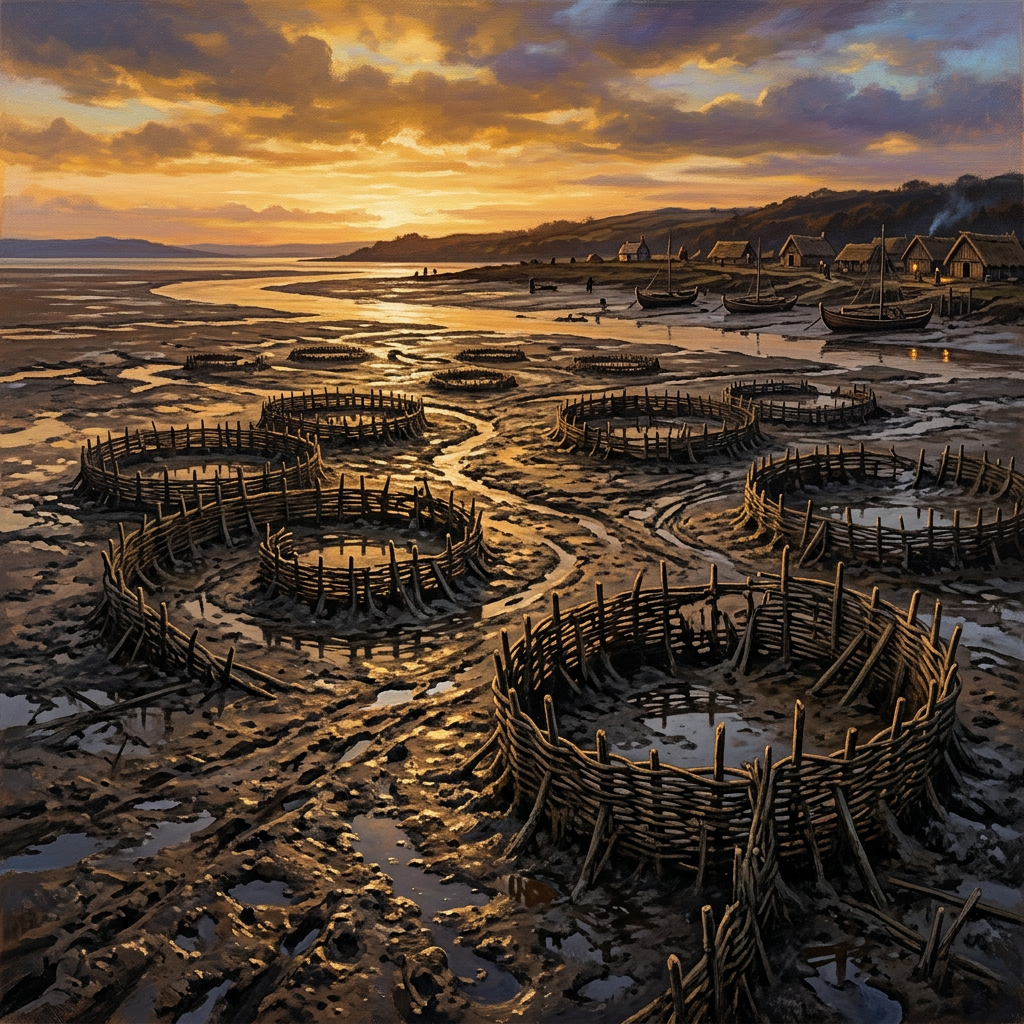
A rare combination of meteorological conditions and shifting sandbanks in the Wadden Sea has exposed a vast, previously unknown Neolithic landscape off the coast of the Netherlands. Archaeologists have identified dozens of 'peat-mounds'—artificial elevations used for seasonal settlement—dating to approximately 5,000 BCE. The waterlogged, anaerobic environment of the sea floor has perfectly preserved organic materials that typically rot, including complex wicker fish-traps and wooden paddle fragments.
The discovery provides unprecedented evidence of how early European hunter-gatherers adapted to the rising sea levels of the post-glacial era. The layout of the mounds suggests a highly organized 'amphibious' society that managed the local estuaries with sophisticated engineering. Emergency excavation teams are racing against the returning tides to document the site using underwater photogrammetry, as the exposure to oxygen poses an immediate threat to the fragile willow-branch structures that have survived underwater for seven millennia.