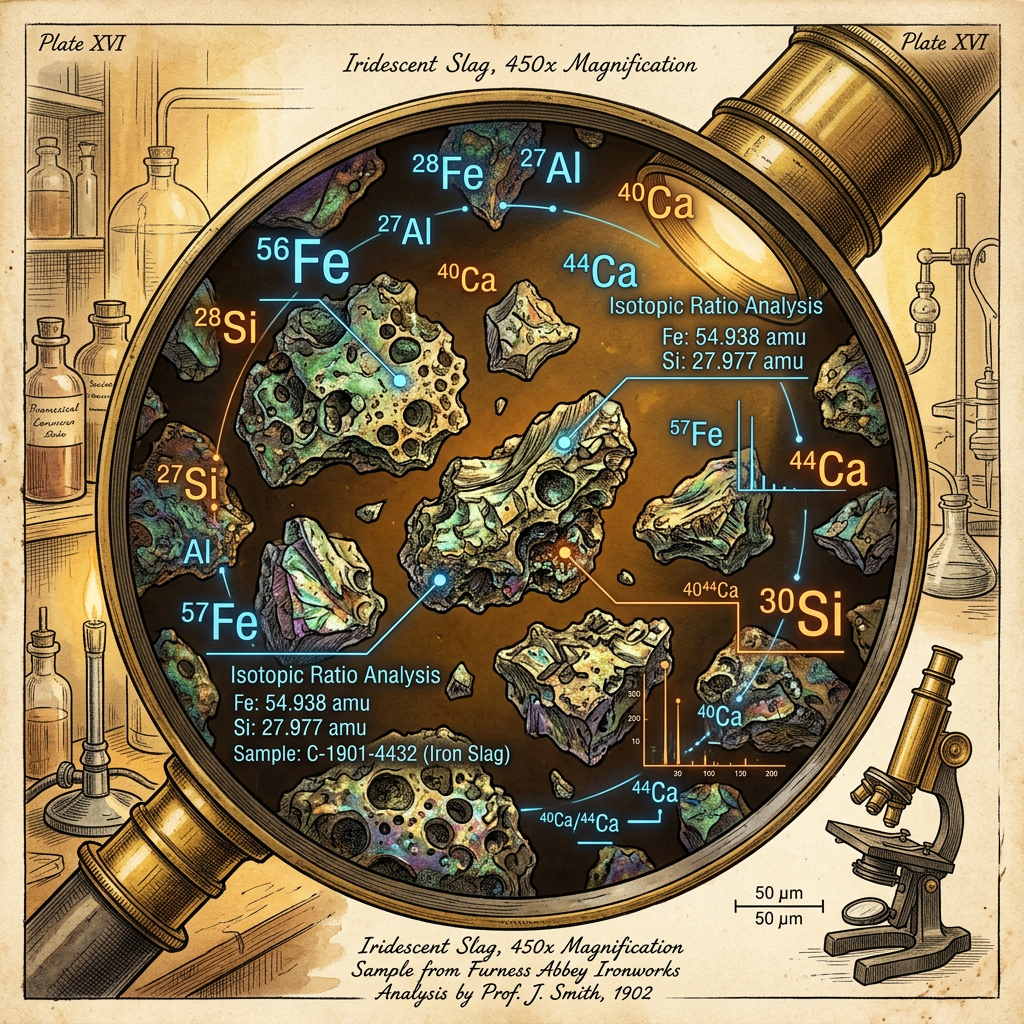
A groundbreaking study published in the Journal of Archaeological Science has introduced a novel dating methodology using Potassium-41/Potassium-39 isotopic ratios to analyze metallurgical slag. This technique has successfully pushed back the confirmed timeline for complex tin smelting in the Altai Mountains to 2800 BCE, nearly 500 years earlier than previously estimated. The research reveals that early Bronze Age nomadic groups possessed a sophisticated understanding of redox reactions long before the rise of urban centers in the region.
By examining the isotopic fractionation that occurs during high-temperature smelting, researchers were able to bypass the limitations of traditional radiocarbon dating on associated organic matter, which is often contaminated or absent in high-altitude mining sites. This breakthrough provides a more direct timeline for the spread of tin-bronze technology across the Eurasian Steppe, suggesting a much more rapid diffusion of metallurgical knowledge than previously hypothesized by traditional anthropological models.