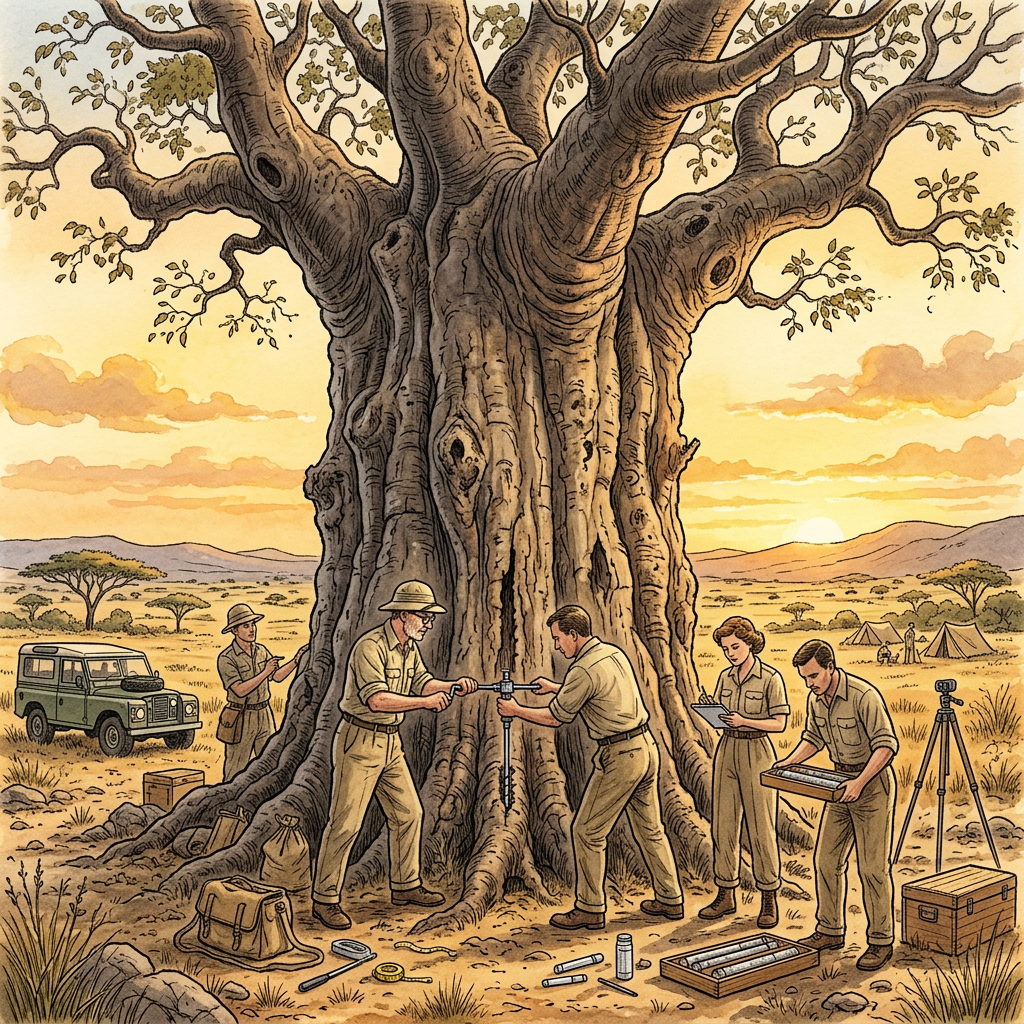
A breakthrough study involving the tree-ring analysis of ancient baobabs has uncovered 1,200-year-old 'drought-resilient' agricultural hubs in the Limpopo Basin. By examining the palaeo-environmental records stored in these long-lived giants, climate archaeologists have identified how prehistoric farmers successfully managed water resources during periods of extreme climatic shifts and prolonged regional droughts.
These findings offer more than historical insights; they provide a model for modern climate resilience in semi-arid regions. The ancient systems involved strategic planting and soil-moisture retention techniques that allowed the Limpopo communities to maintain stable food supplies despite centuries of erratic rainfall patterns, highlighting the sophistication of indigenous environmental knowledge.