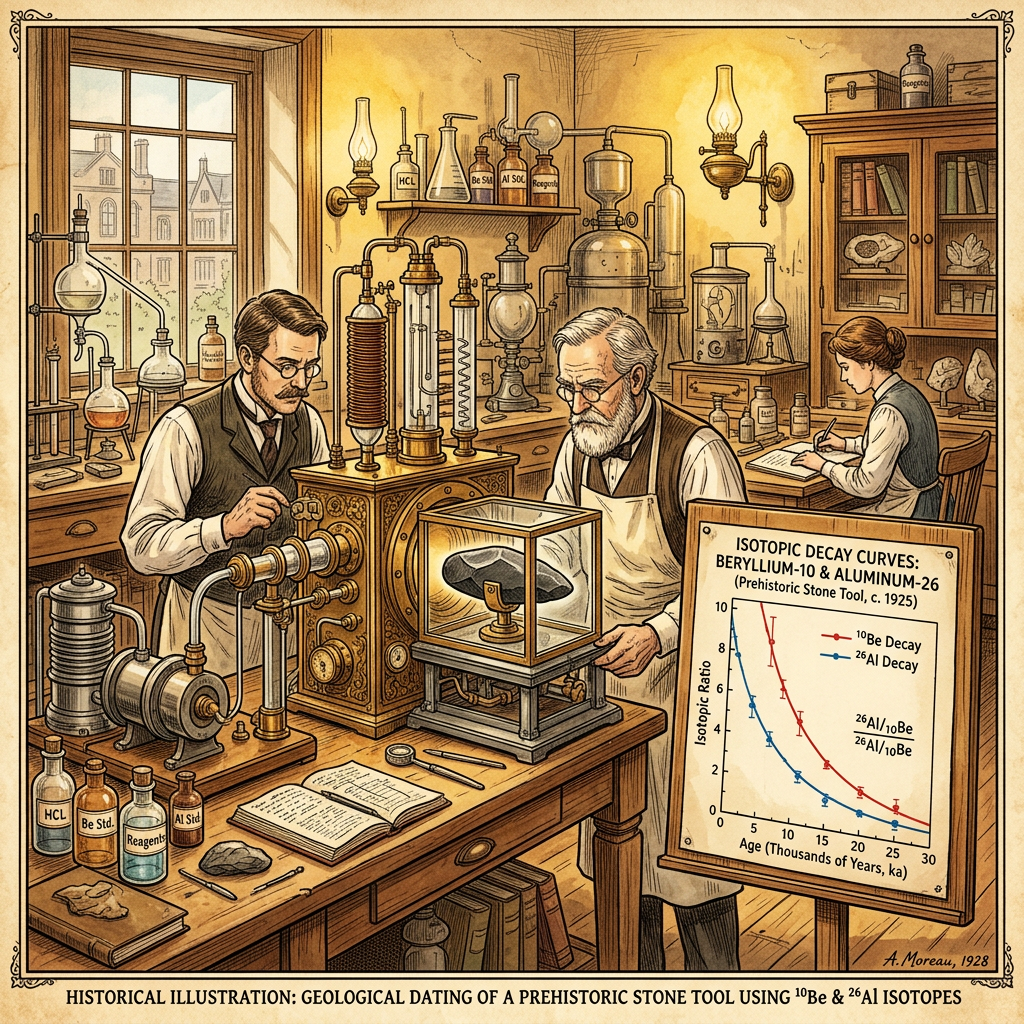
A new research paper in the Journal of Archaeological Science introduces a refined dating methodology that uses the cross-calibration of Beryllium-10 and Aluminum-26 isotopes to date stone toolkits with unprecedented accuracy. Applying this technique to the Hoabinhian sites in the Brahmaputra Valley, researchers have pushed back the onset of Neolithic settled life in Northeast India to 8500 BCE, nearly 1,500 years earlier than previous estimates.
The study demonstrates that these early settlers were already utilizing advanced grinding and polishing techniques on local metamorphic rocks to create specialized agricultural implements. This chronological refinement places the Brahmaputra Valley as a primary, independent center of Neolithic innovation, challenging the long-held theory that these technologies were purely a result of migration from the Yangtze River basin.