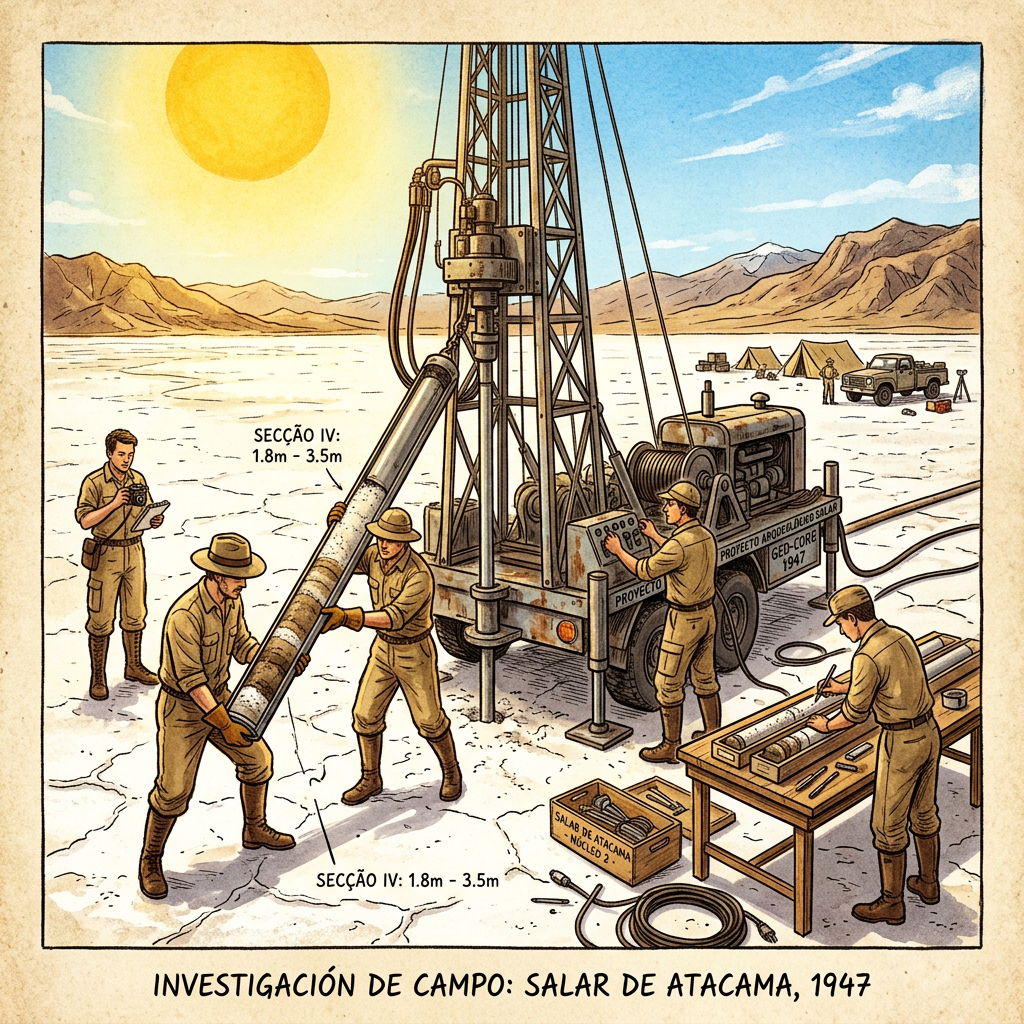
A new study published in Nature Heritage by a team of climate archaeologists has revealed that shifting salinity levels in the Dead Sea directly influenced the migration and settlement patterns of Early Bronze Age Canaanite tribes. By analyzing sediment cores from the lake's deepest sections, researchers identified a period of extreme aridity between 2500 and 2200 BCE. This "megadrought" coincides with the sudden abandonment of major urban centers in the southern Levant and the rise of smaller, mobile pastoralist communities.
The research provides the first high-resolution environmental record of how these ancient societies adapted to rapid climate change. The data suggests that rather than a total societal collapse, the Canaanite populations successfully transitioned to a decentralized economy, utilizing seasonal springs and hidden aquifers that had previously gone ignored. This environmental history breakthrough offers new insights into the resilience of ancient near-eastern civilizations when faced with prolonged ecological stress.