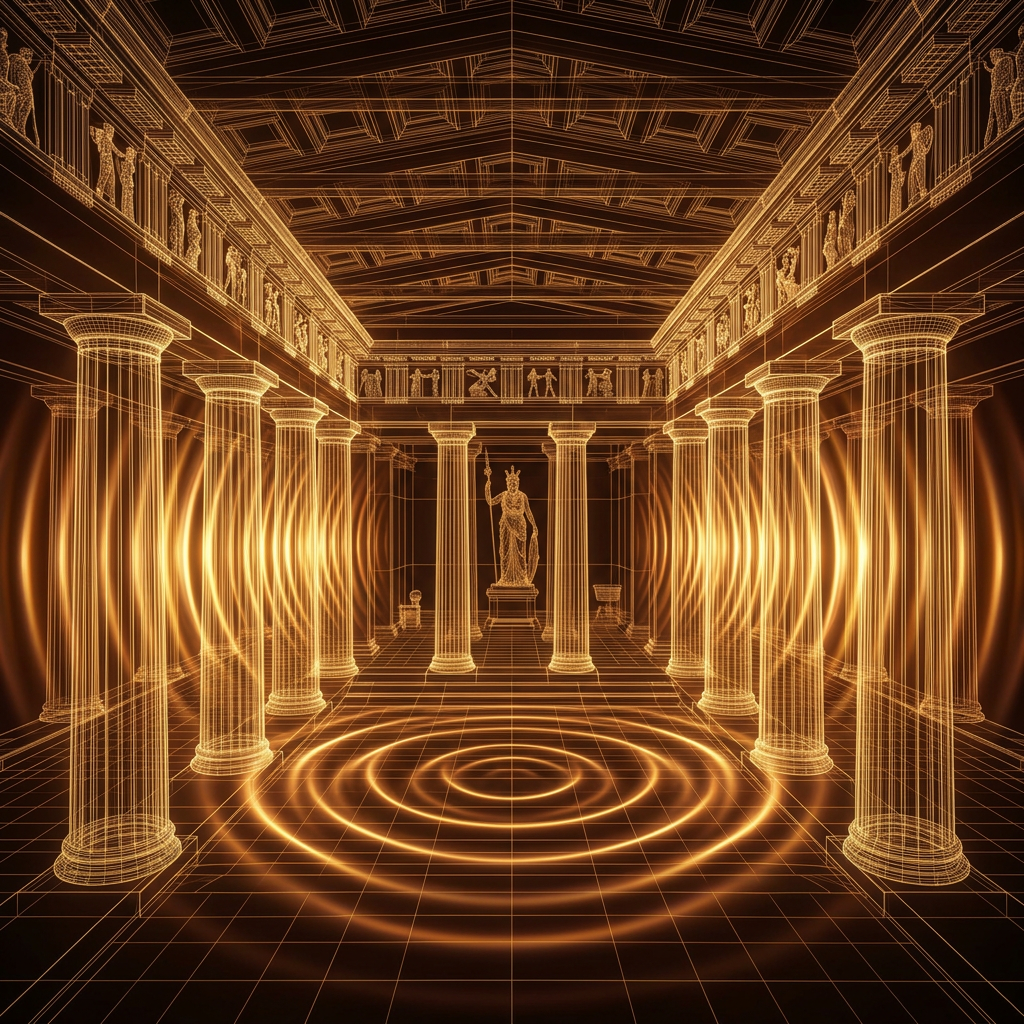
Using a combination of 3D LiDAR mapping and specialized acoustic modeling, researchers from the Institute of Archaeo-Acoustics have successfully recreated the soundscape of the Temple of Apollo at Delphi as it would have existed in the 5th century BCE. The study focused on the "Adyton," the restricted inner chamber where the Pythia (the Oracle) delivered her prophecies. By modeling the specific resonant frequencies of the limestone walls and the chasm beneath the floor, the team discovered that the chamber was designed to amplify specific low-frequency vocalizations.
The reconstruction reveals that the architectural layout of the sanctuary functioned as a natural acoustic filter, creating a disorienting echo effect that likely enhanced the perceived mystical experience of the pilgrims. This innovation in heritage preservation technology allows historians to study the sensory environment of ancient rituals, moving beyond visual remains to understand the auditory impact of sacred spaces. A virtual reality experience of the "Delphic Soundscape" is set to debut at the Delphi Archaeological Museum next month.