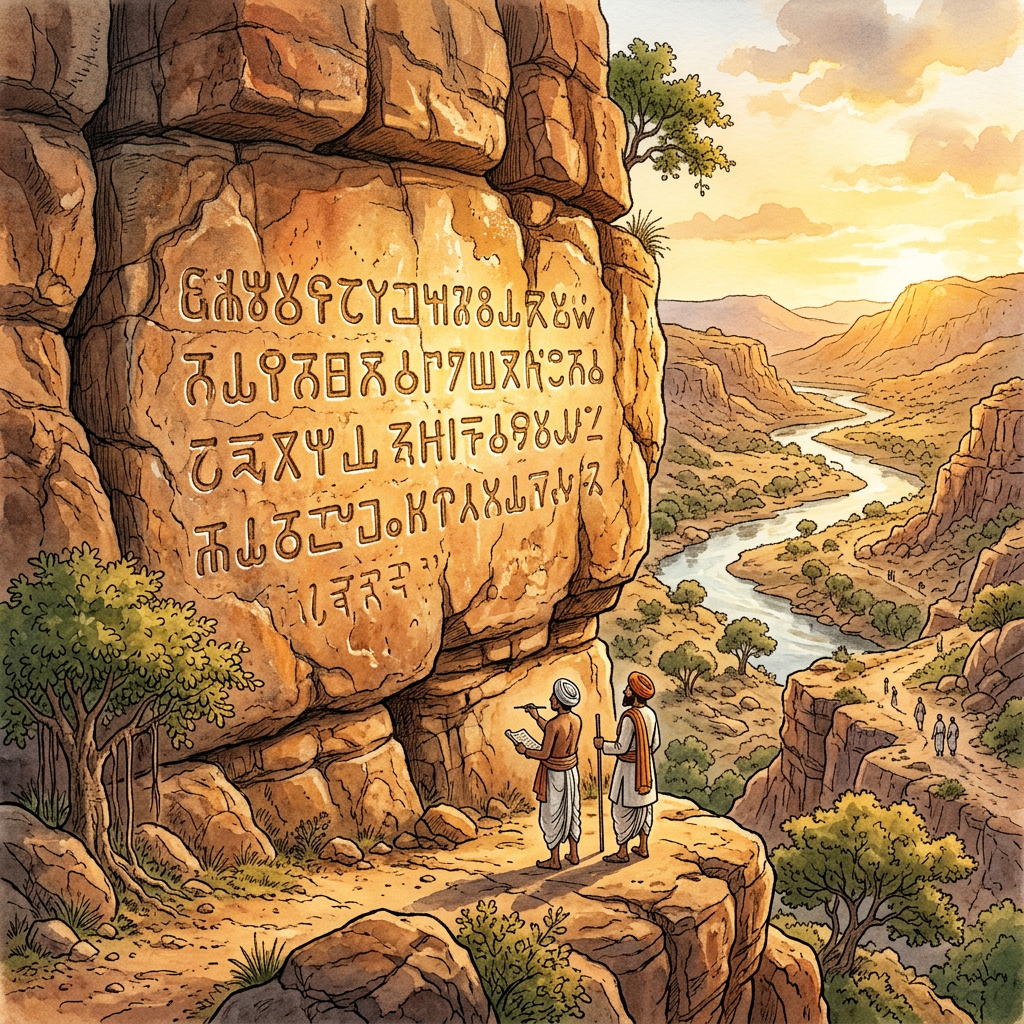
Archaeologists excavating a series of rock shelters in the Chambal Valley have uncovered a set of sandstone inscriptions dating back to the 5th Century BCE. The text, identified by linguists as the Karma-Vikasha, outlines a previously unknown philosophical framework focused on the "expansion of moral agency" through intentional action. Unlike contemporaneous texts that focus on the consequences of karma, this finding emphasizes how the internal will of the practitioner physically alters the metaphysical reach of their consciousness.
The inscriptions suggest that ancient Vedic thinkers in this region developed a highly specialized vocabulary to describe the dynamic relationship between ethical conduct and the expansion of the individual's spiritual horizon. Scholars from the National Institute of Ancient Studies note that the text bridges the gap between early ritualism and the later internalized ethics of the Upanishads. The discovery is being hailed as a major breakthrough in understanding the diversity of early Sanatan Dharma thought, particularly in the northern fringes of the Deccan plateau.