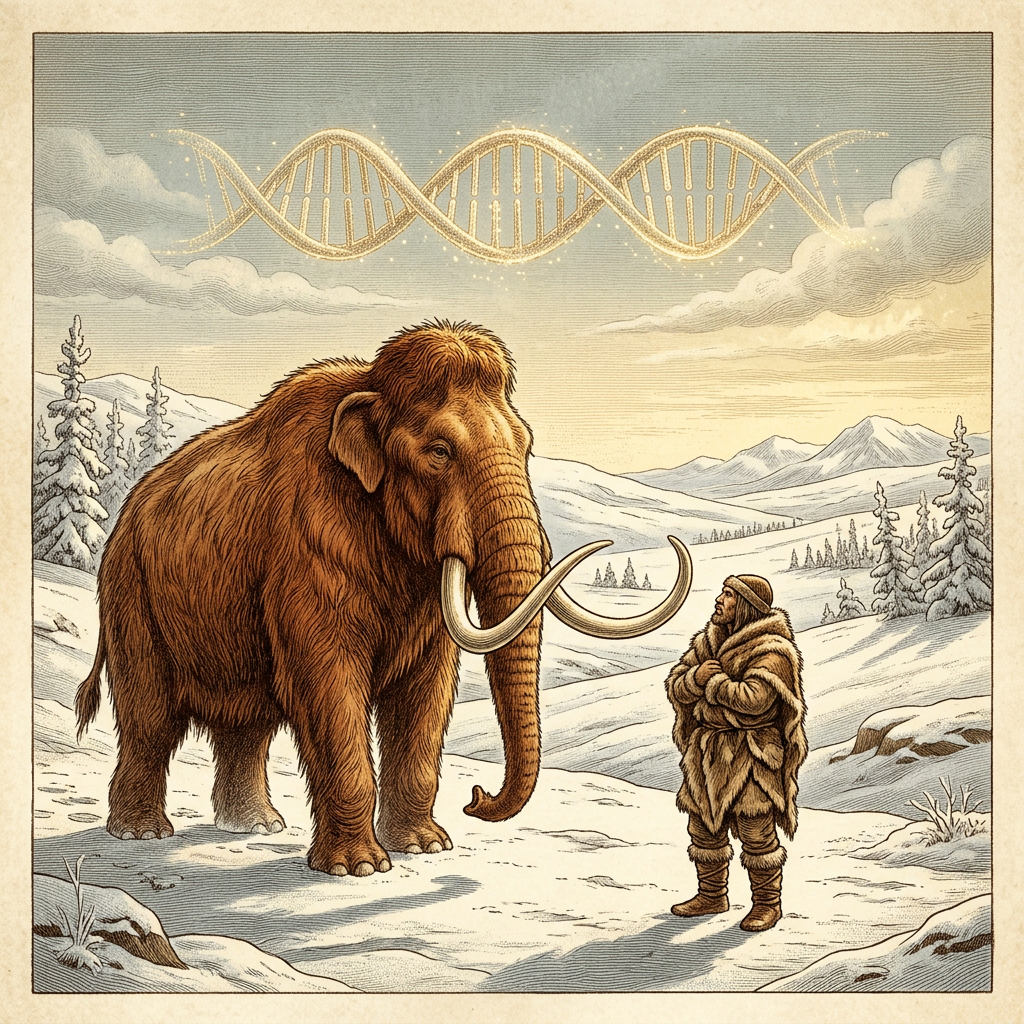
A comprehensive genomic analysis of human remains dating to 16,000 years ago, recovered from the Kolyma River basin in Siberia, has identified a unique Pleistocene population. This lineage, which diverged from other North Eurasian groups, shows specialized genetic markers for high-heme metabolism, an adaptation likely required for a diet almost exclusively dependent on megafauna meat during the harsh conditions of the Late Pleistocene.
The study, published in Cell Reports, suggest that this 'Tundra-Specialist' lineage possessed unique enzymes for processing large quantities of dietary iron without toxicity. The findings challenge current human dispersal models by demonstrating that Pleistocene populations in the Arctic were far more genetically diverse and physiologically specialized for extreme carnivorous diets than previously documented through archaeological remains alone.