In a major breakthrough for Indian logic studies, an 11th-century manuscript titled Yukti-Manjusha has been identified in a private family archive in Alwar, Rajasthan. The text provides an exhaustive analysis of Contingent Truths, or truths that are valid only within specific contextual frameworks. This challenges the traditional view that medieval Indian philosophy was solely concerned with absolute or universal certainties, revealing a nuanced system of modal logic that anticipates modern debates in epistemology.
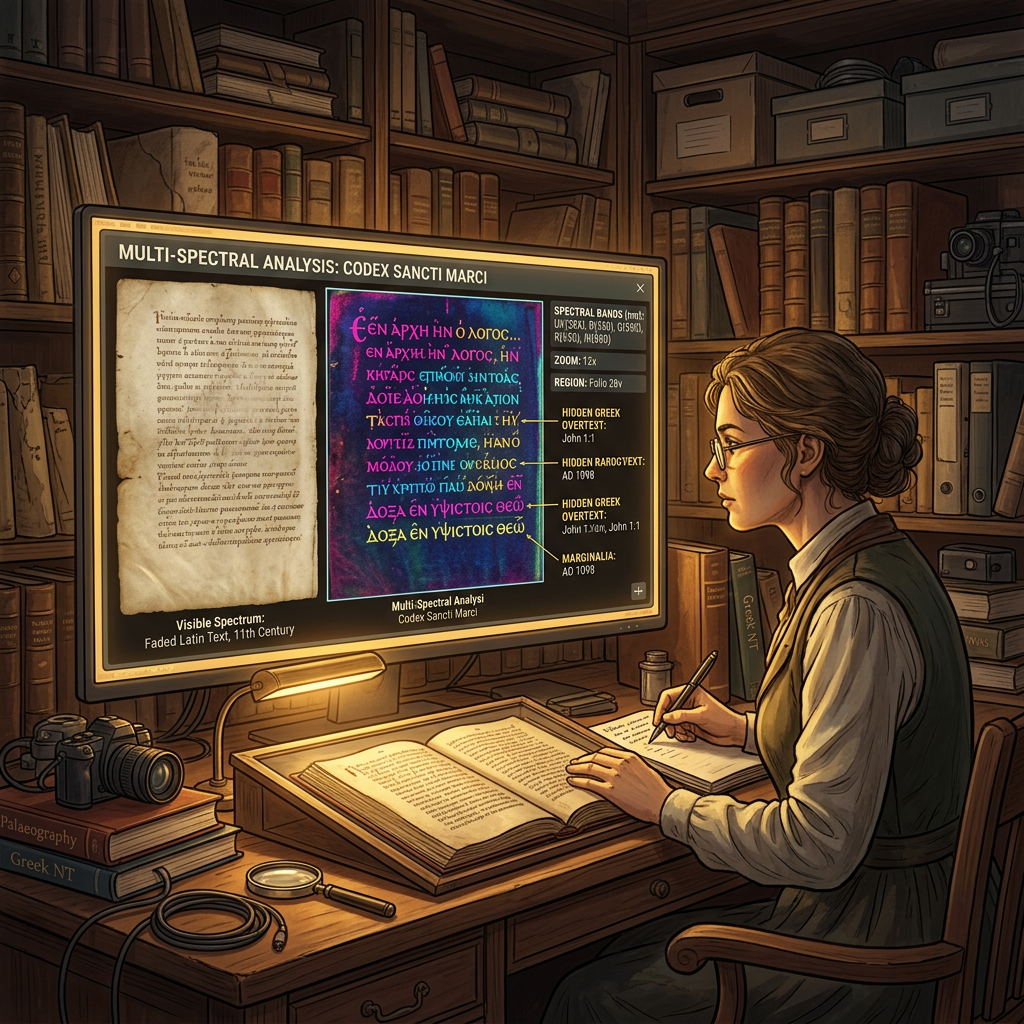
The manuscript is attributed to a little-known logician named Jayanta Bhatta II, who argues that the reliability of knowledge (Pramana) must be indexed to time, space, and the observer's physical state. Digital multi-spectral imaging has allowed researchers to read marginalia that suggest this text was used in royal debates to settle complex disputes over land and ritual precedence. This discovery highlights the practical application of high-level philosophical logic in medieval daily life.