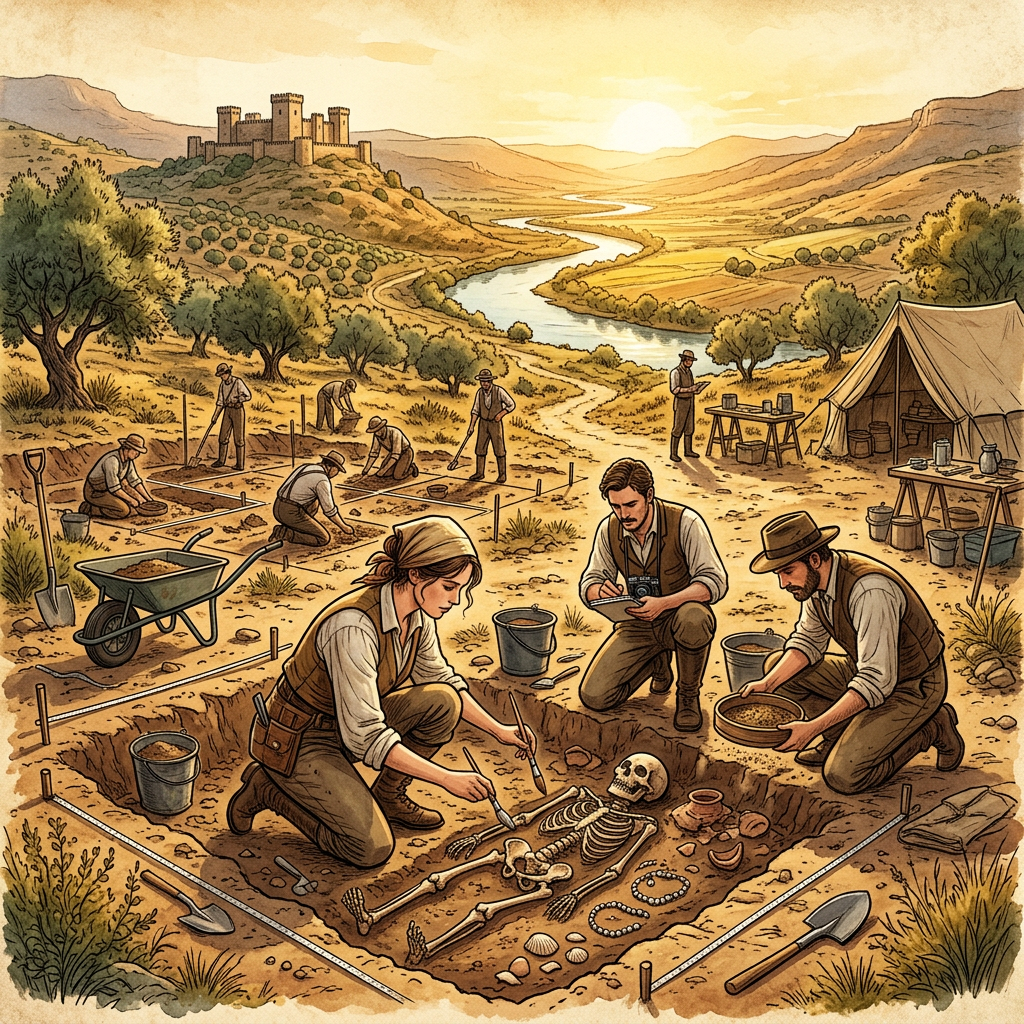
A breakthrough paleogenomic study published in Nature Genetics has identified the oldest known genetic markers for resistance to malaria in human remains discovered in southern Spain's Guadalquivir Valley. The research, conducted by an international team of geneticists and anthropologists, analyzed the DNA of individuals dating back to 9,000 BCE, revealing a specific mutation in the ATP2B4 gene that correlates with resilience against early Plasmodium strains. This finding suggests that malarial pathogens were significantly influencing human evolution in the western Mediterranean thousands of years earlier than previously estimated.
The study also highlights a complex migration pulse from North Africa into the Iberian Peninsula during the early Holocene. By comparing these 11,000-year-old genomes with modern populations, researchers have mapped how these adaptive traits spread across Europe. This data provides a crucial link in understanding the long-term co-evolutionary struggle between humans and vector-borne diseases, offering new insights into the selective pressures that shaped the genetic landscape of ancient European hunter-gatherers as they transitioned into sedentary agricultural communities.