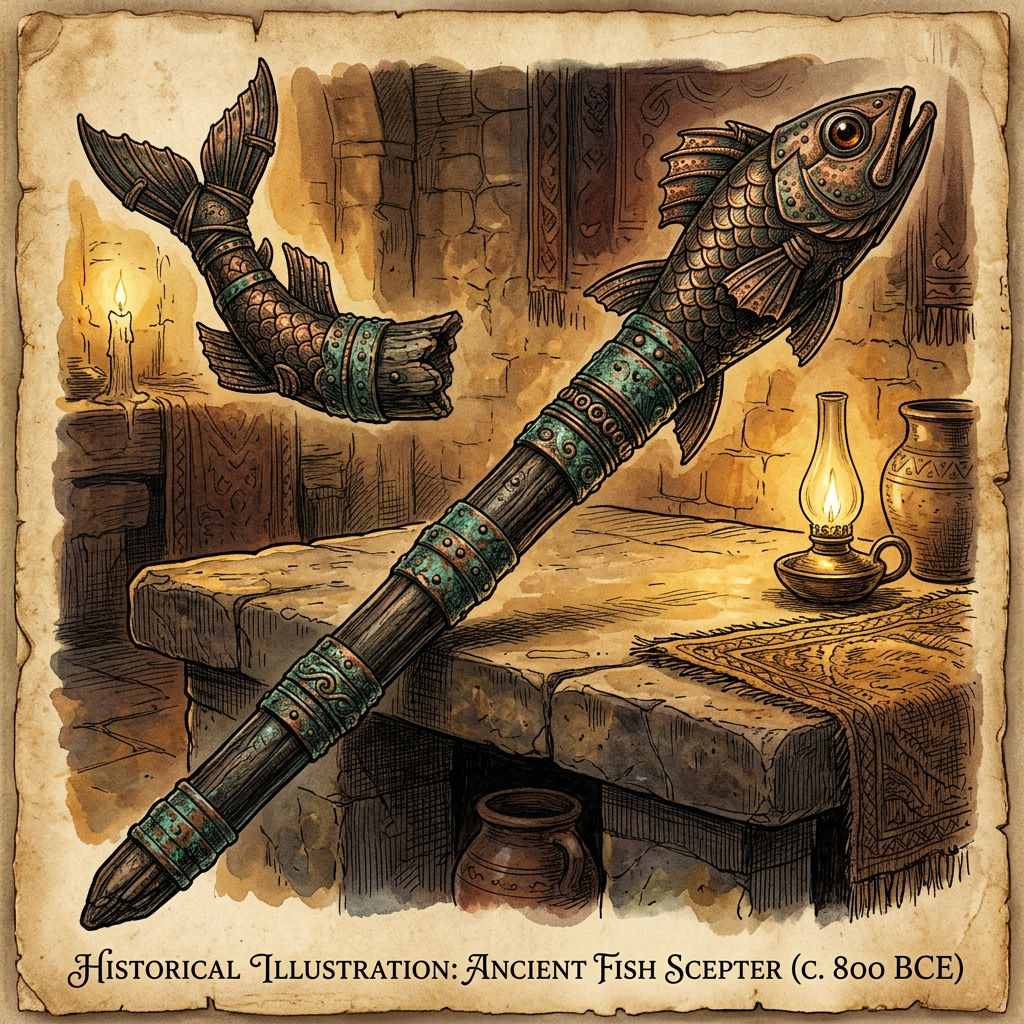
Archaeologists investigating a Hopewell culture mound in the Great Lakes region have unearthed several copper-bound scepters shaped like sturgeon. The artifacts were found in a specialized ceremonial pit, accompanied by thousands of fish scales, indicating they were central to a 1,500-year-old Festival of the Great Sturgeon celebrated during the fish's annual spring migration.
The scepters show evidence of ritual polishing and were likely passed down through generations of tribal leaders. This discovery provides physical evidence of the long-standing spiritual relationship between Indigenous communities of North America and the aquatic ecosystems of the Great Lakes, emphasizing the role of seasonal abundance in shaping communal heritage.