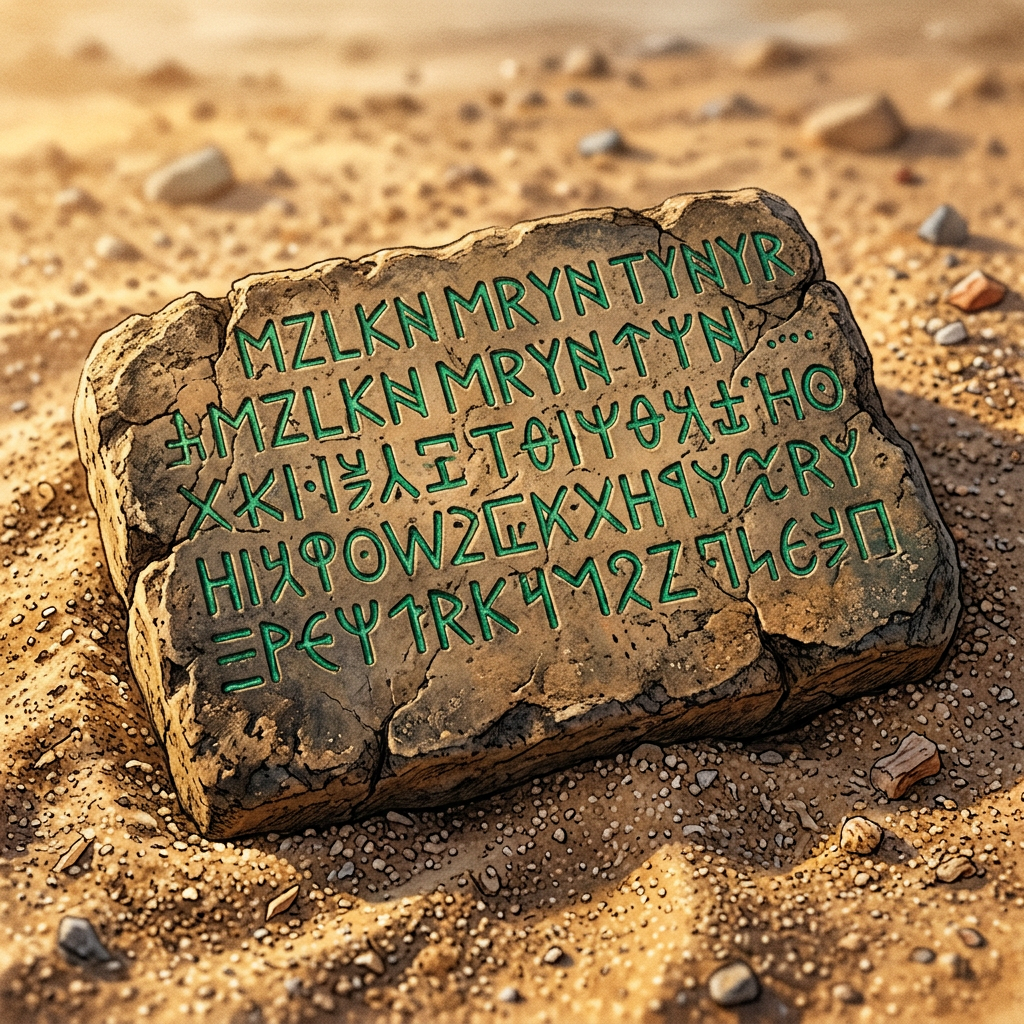
Archaeologists working in the interior of modern-day Tunisia have uncovered a series of malachite-inscribed clay tablets that provide the first written evidence of a 2,200-year-old agricultural celebration known as the Festival of the Argan Harvest. The tablets, dating back to the Numidian Kingdom, detail the logistical arrangements for communal oil-pressing ceremonies and the distribution of sacred oil to regional leaders during the autumn equinox.
The discovery is particularly significant because it confirms that the cultivation of argan trees was a central pillar of ancient Numidian economic and spiritual life. The texts describe ritual offerings made to a local fertility deity, involving the smearing of malachite paste on harvesting tools to ensure a bountiful yield for the following year.