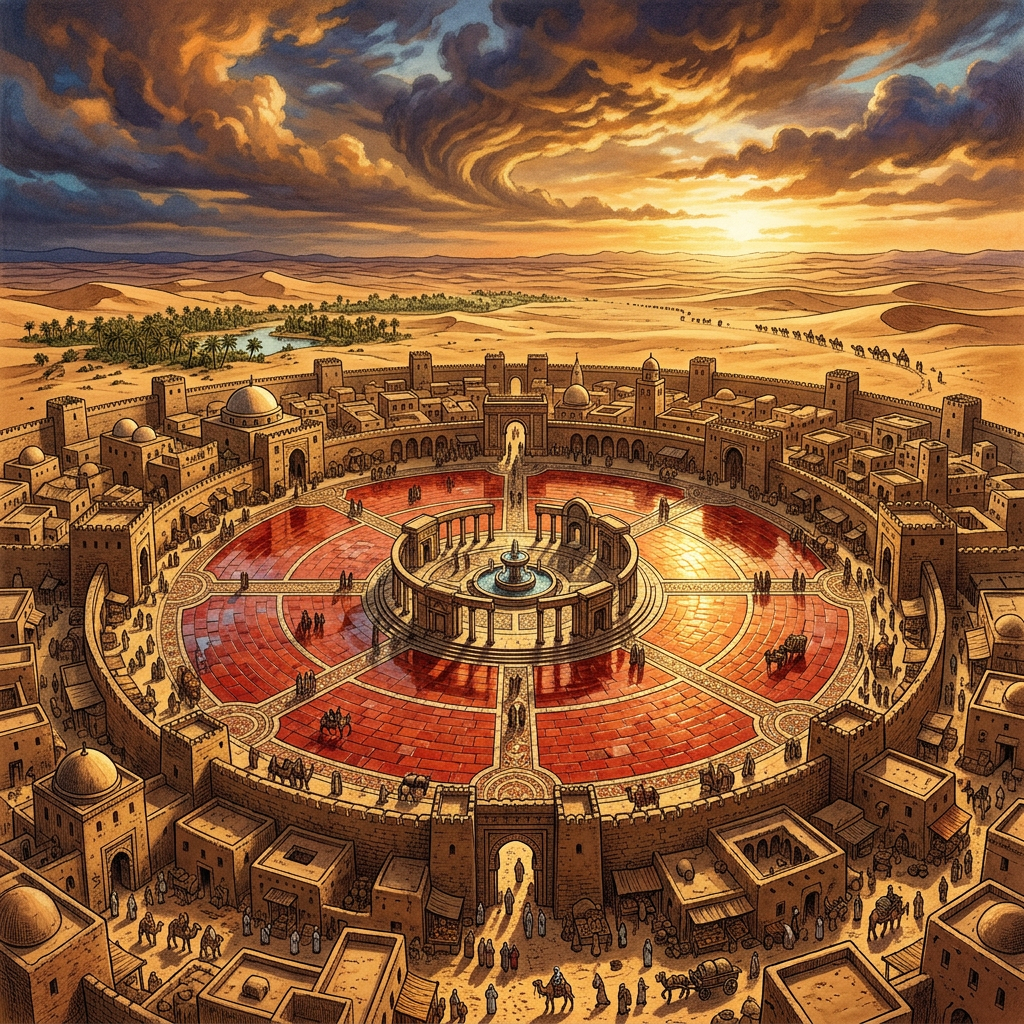
A sprawling archaeological survey in Northern Mali has revealed a monumental circular platform paved entirely with polished red jasper. This 2,000-year-old 'Rain-Mirror' plaza was engineered to retain thin layers of water during the first seasonal storms, creating a reflective surface used for sky-greeting rituals. The discovery points to the ancient origins of communal Sahelian festivals focused on water cycles and celestial observation.
Surrounding the plaza, researchers found ceremonial artifacts including polished stone weights and musical clay whistles. These findings suggest that the site was a major destination for regional pilgrimages, where traditional ritual practices were used to celebrate the life-giving arrival of the monsoon across the arid landscape.