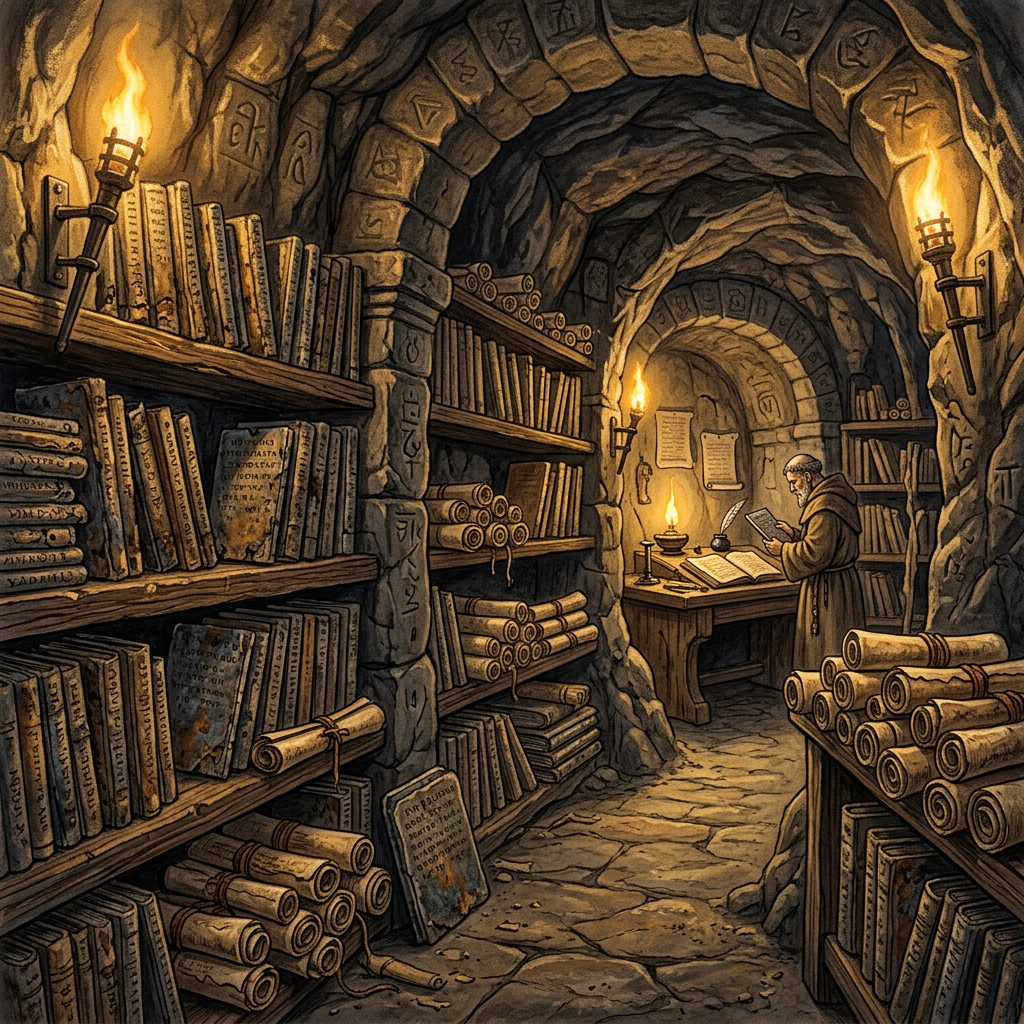
Archaeologists working in the remote Rhodope Mountains have unearthed what is being hailed as the first known Thracian royal library. The site, dating back to the 5th century BCE, consists of a fortified stone chamber containing over fifty inscribed lead tablets and fragments of parchment preserved by the unique microclimate of the cave-like structure.
The inscriptions are written in a Greek-based script but record the Thracian language, providing a potential 'Rosetta Stone' for scholars. Early translations suggest the texts include dynastic genealogies and ritual hymns previously known only through oral tradition. This discovery fundamentally alters the understanding of Thracian literacy, which was long thought to be non-existent or purely secondary to Greek culture.