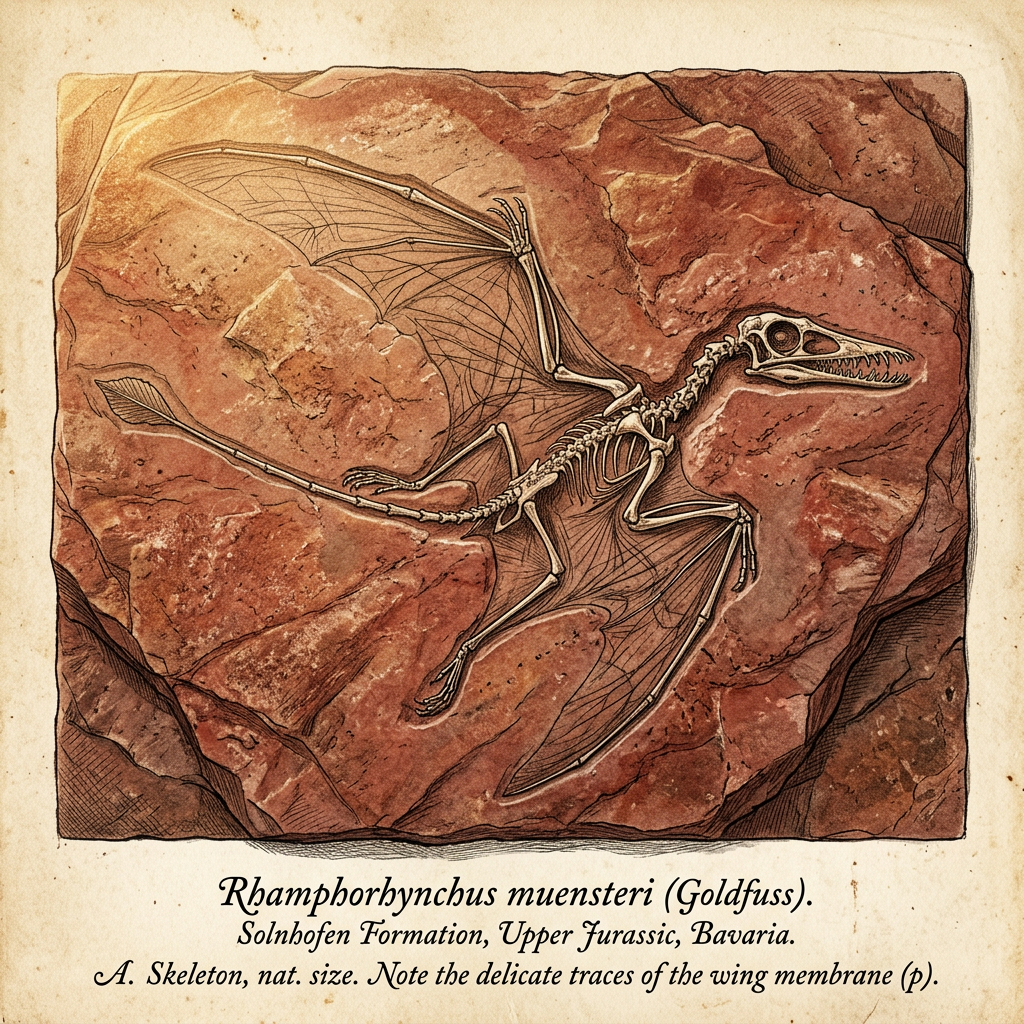
Paleontologists in Namibia have announced the discovery of a nearly complete skeleton of a 140-million-year-old mammaliaform that shows clear evidence of gliding membranes. Named Namibavolans altus, the specimen was found in Early Cretaceous strata and represents the earliest known evidence of powered gliding in the southern hemisphere's fossil record.
The fossil is unique for its elongated limb bones and the preservation of soft tissue impressions around the ribs, indicating a large patagium. This finding suggests that mammals were diversifying into specialized ecological niches, including the forest canopy, much earlier and more broadly across the supercontinent of Gondwana than previously suspected.