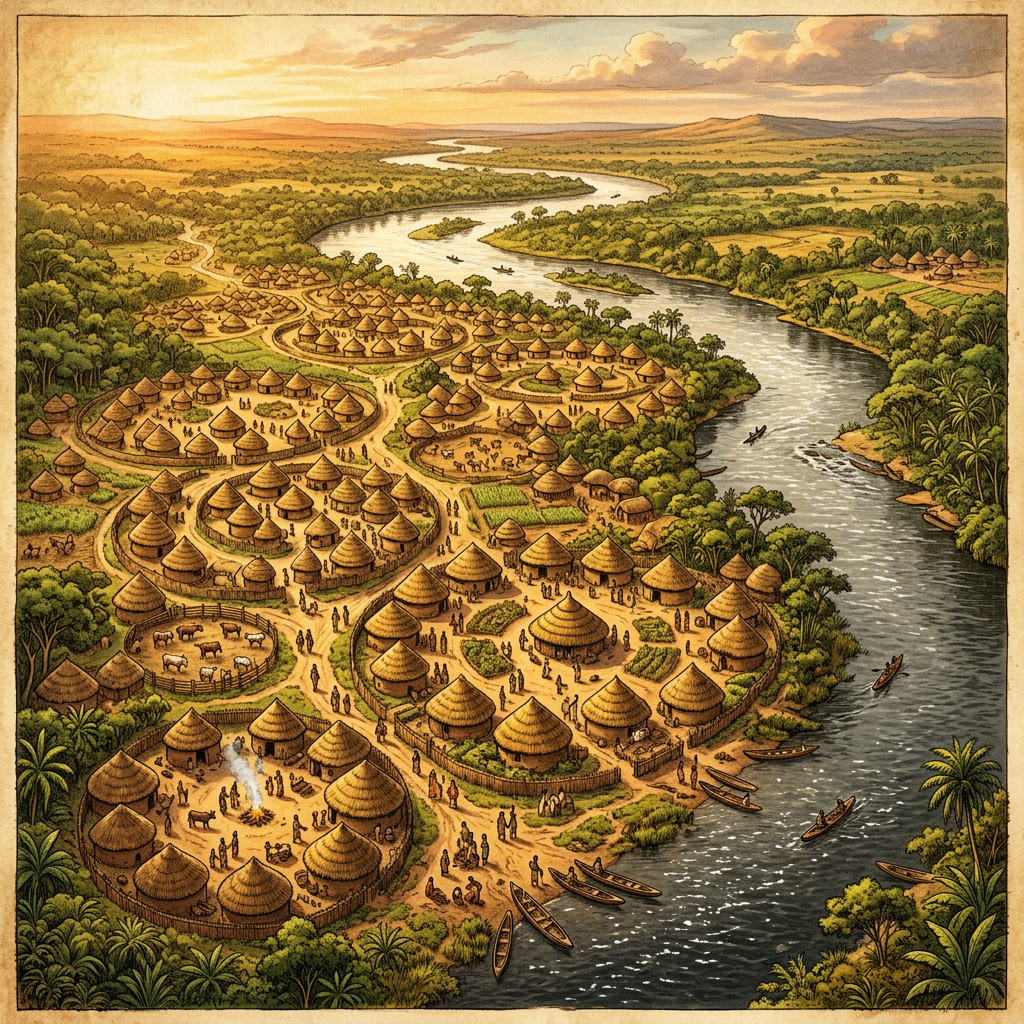
UNESCO has officially added the traditional earth-architecture landscapes of the Lower Zambezi Valley to the World Heritage List, citing their unique synthesis of sustainable building techniques and spiritual significance. The site encompasses over fifty communal settlements that have utilized the valley's distinctive clay and silt deposits for centuries, creating modular dwellings that naturally regulate temperature in the region's extreme climate.
This designation marks a significant victory for regional preservationists, who have spent a decade documenting the oral histories and structural engineering of the Zambezi earth-dwellers. UNESCO noted that the site provides an unparalleled record of human adaptation to riverine ecosystems and offers modern architects critical insights into carbon-neutral construction and climate-resilient urban planning.