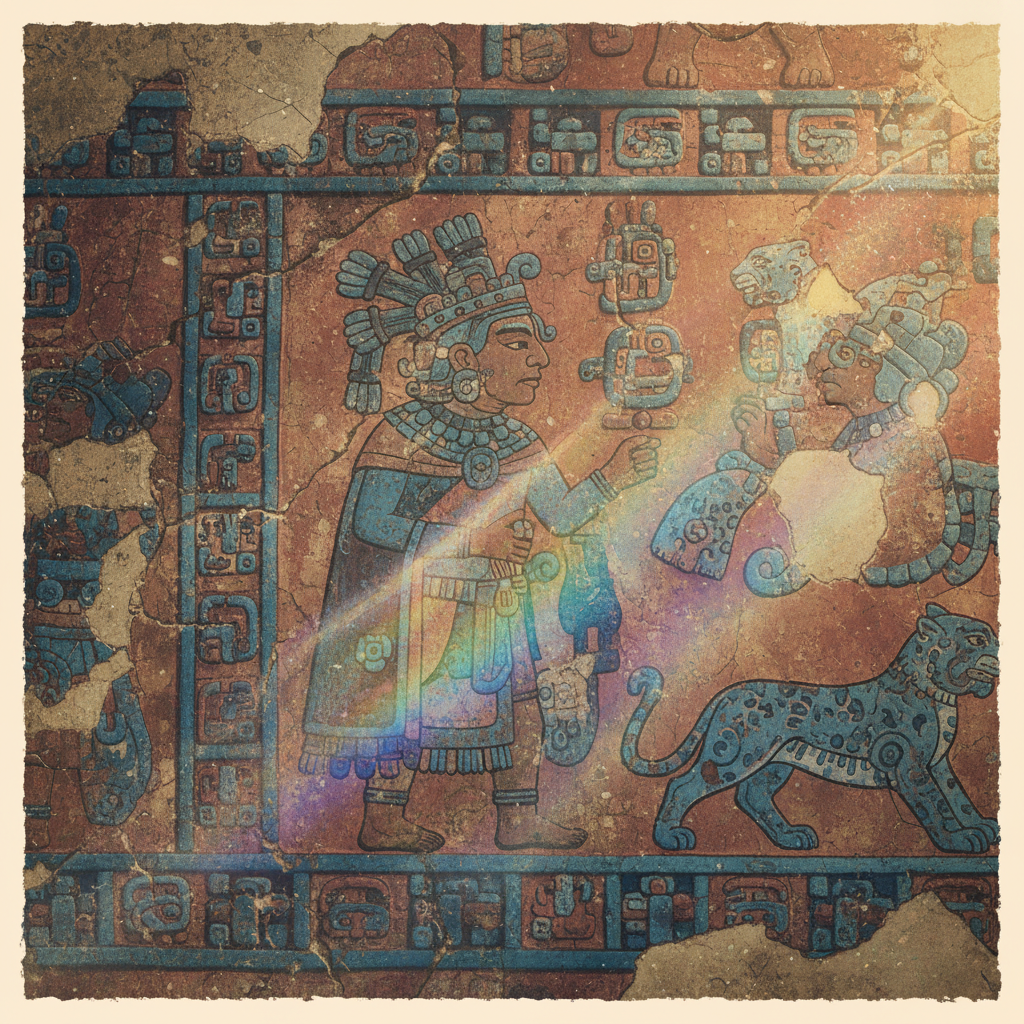
Conservationists at the coastal Maya site of Tulum have successfully deployed a breakthrough bio-cellulose nanofilm to protect ancient murals from the corrosive effects of salt spray and humidity. The transparent, breathable membrane was engineered using plant-derived polymers that bond to the limestone surface at a molecular level, preventing salt crystallization while allowing the stone to 'breathe.'
This technology represents a paradigm shift in the preservation of maritime heritage, where traditional sealants often cause internal moisture buildup and structural cracking. Following the success at Tulum, the International Institute for Conservation plans to roll out the treatment at other threatened UNESCO sites across the Caribbean and the Mediterranean.