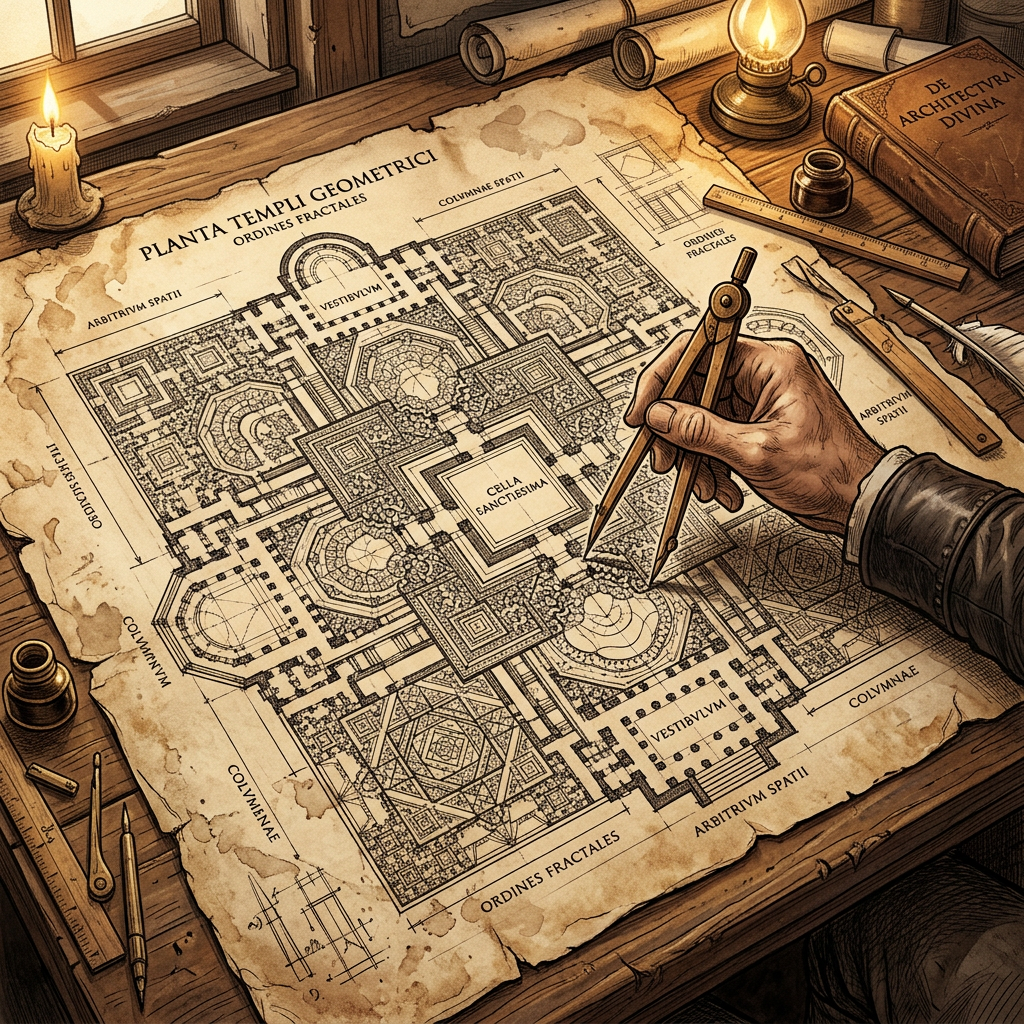
Scholars specializing in medieval mathematics have identified a previously unrecognized form of recursive algorithmic logic within a collection of 11th-century Sanskrit manuscripts discovered in Jodhpur. The study, published in the Journal of Sanskrit Studies, demonstrates how ancient architects utilized fractal-like scaling to generate 'Vastu' grids for temple foundations. These algorithms allowed for the expansion of complex geometric patterns while maintaining perfect proportional ratios across different scales.
The research highlights a sophisticated bridge between Vedic geometry and later medieval architectural practices. By using iterative functions to determine the placement of sacred pillars and wall segments, the architects ensured both structural integrity and aesthetic harmony. This computational approach to sacred geometry suggests that Indian mathematicians were utilizing principles of recursion and self-similarity centuries before they were formalized in Western mathematics.