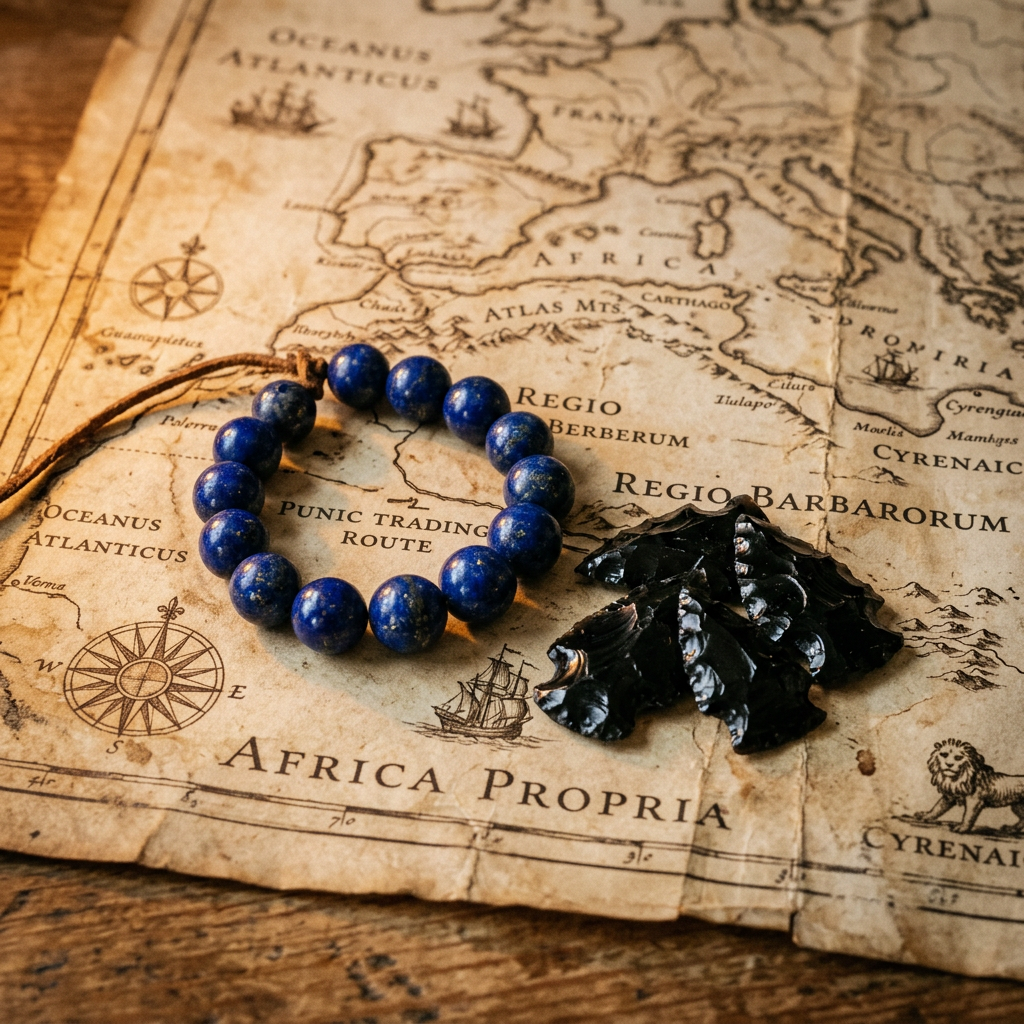
A joint team of archaeologists from Turkey and Pakistan has published groundbreaking evidence of a previously unknown 4,500-year-old trade network dubbed the 'Obsidian and Lapis' Way. By using laser ablation and mass spectrometry on artifacts found at the site of Kültepe, researchers identified obsidian fragments originating from the Aegean coast alongside high-quality lapis lazuli beads processed in the Indus Valley. This discovery suggests a sophisticated trans-continental exchange system that predates the established Silk Road by two millennia.
The study reveals that Early Bronze Age merchants used a combination of maritime routes through the Persian Gulf and overland caravans across the Iranian Plateau to move luxury goods. The presence of identical cylinder seals at both ends of the route points to a shared administrative or linguistic framework for trade, possibly managed by an elite class of merchant-diplomats. This finding challenges the notion that these civilizations were isolated, showing instead a highly interconnected global economy during the third millennium BCE.
Further excavations are planned at high-altitude mountain passes in the Zagros Mountains, where the researchers suspect several 'exchange stations' or pit-stops were located. This research provides a new lens through which to view the environmental history of trade, as the routes appear to have followed specific climatic corridors that offered stable water sources for pack animals.