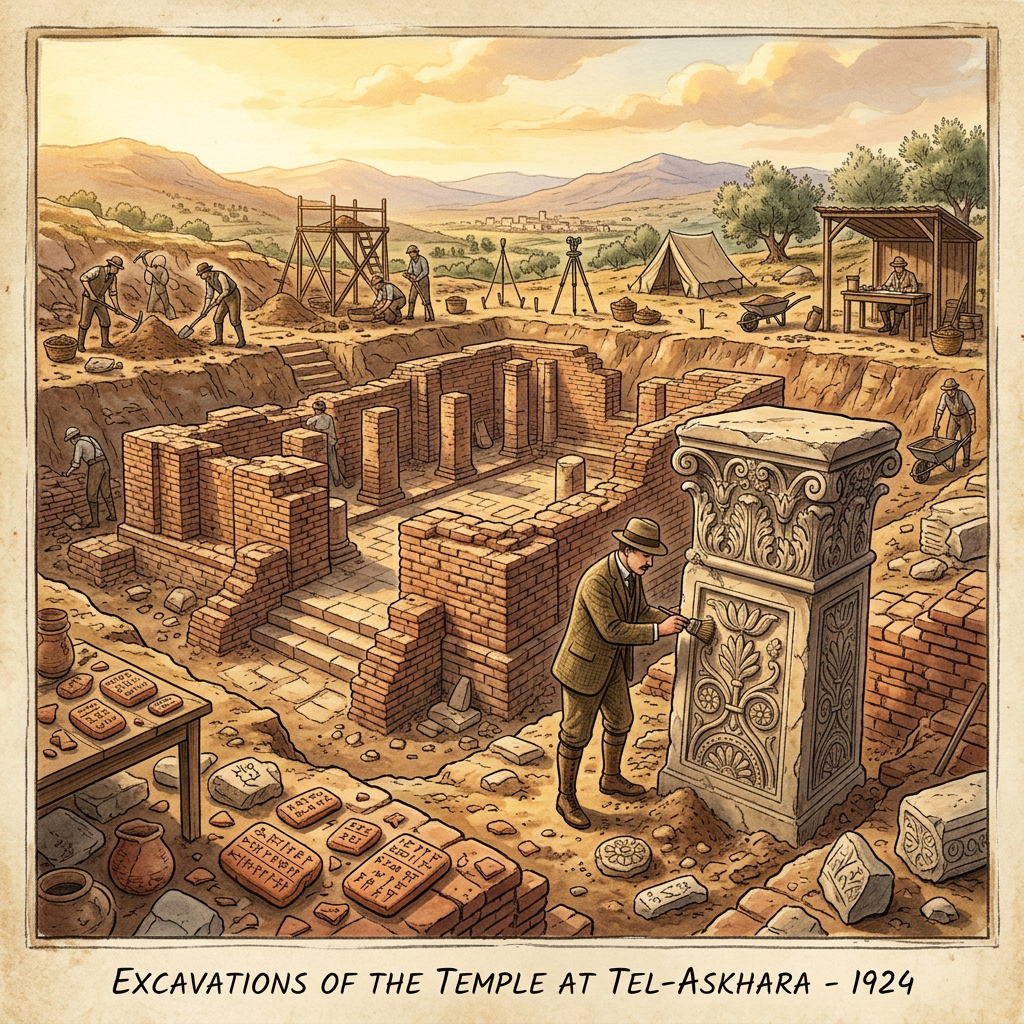
Archaeologists working in the outskirts of Mathura have announced the discovery of a significant temple foundation dating back to the Gupta Empire. The site, unearthed during a routine survey by the Archaeological Survey of India (ASI), features a distinct brick-and-stone layout typical of the 5th-century 'Golden Age' of Indian architecture. The most remarkable find at the site is a cache of terracotta votive tablets bearing intricate Brahmi inscriptions, which detail land grants by local merchant guilds.
The excavation has also revealed a series of limestone pillars decorated with Purnaghataka (overflowing vase) motifs, which signify prosperity and abundance. Researchers believe this temple was a key religious center for the traveling caravans along the ancient trade routes. Initial analysis of the soil layers suggests the structure was preserved under riverine silt, protecting the delicate inscriptions from erosion for over fifteen centuries.