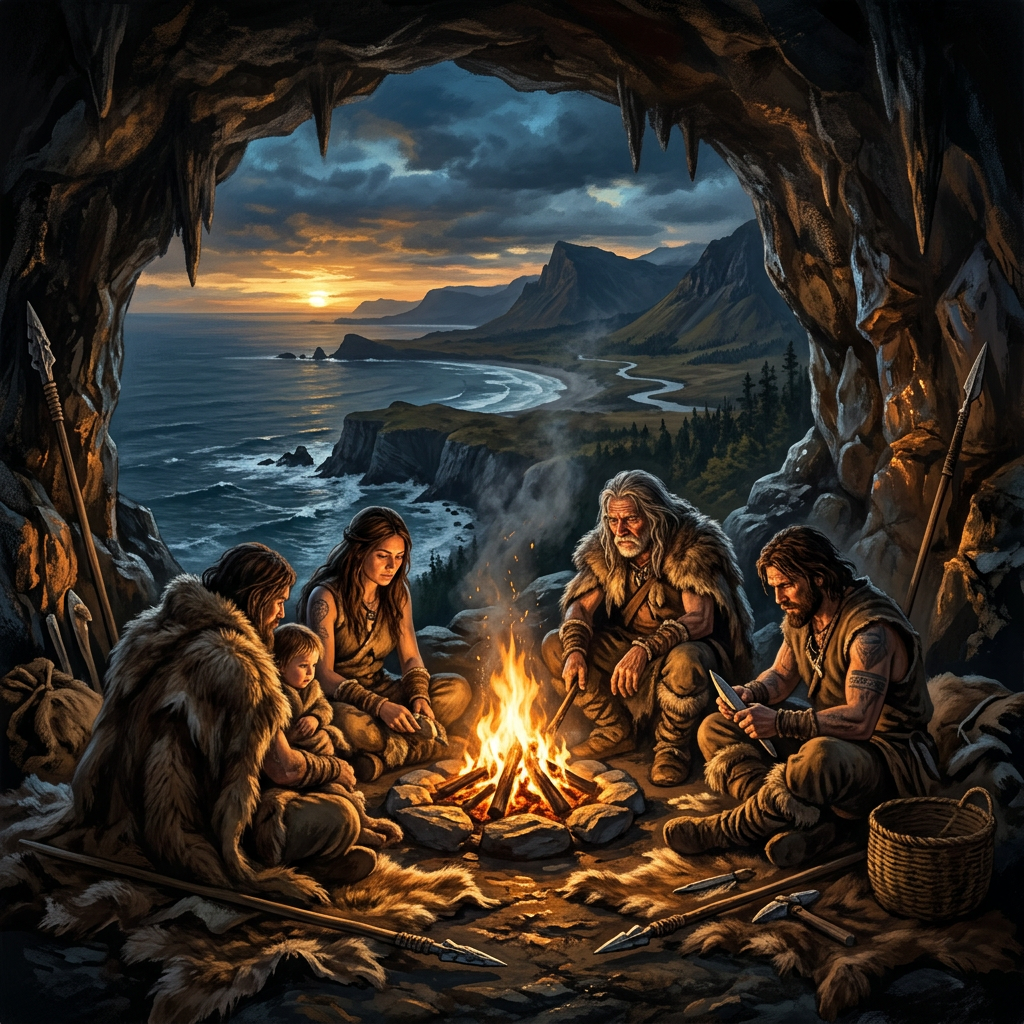
New research published in Nature Communications has unveiled a detailed genetic history of hunter-gatherers in the Iberian Peninsula following the Last Glacial Maximum. The study, led by paleogeneticists from the Max Planck Institute for Evolutionary Anthropology, analyzed high-coverage genomes from remains dating back 12,000 years, revealing a previously undocumented population bottleneck.
The data suggests that a small, isolated group of foragers survived in the southern refugia of Spain before rapidly expanding as the climate warmed. This ghost lineage contributed significantly to the genetic makeup of subsequent Mesolithic populations, carrying unique markers that differentiate them from contemporaneous hunter-gatherers in Central and Eastern Europe.