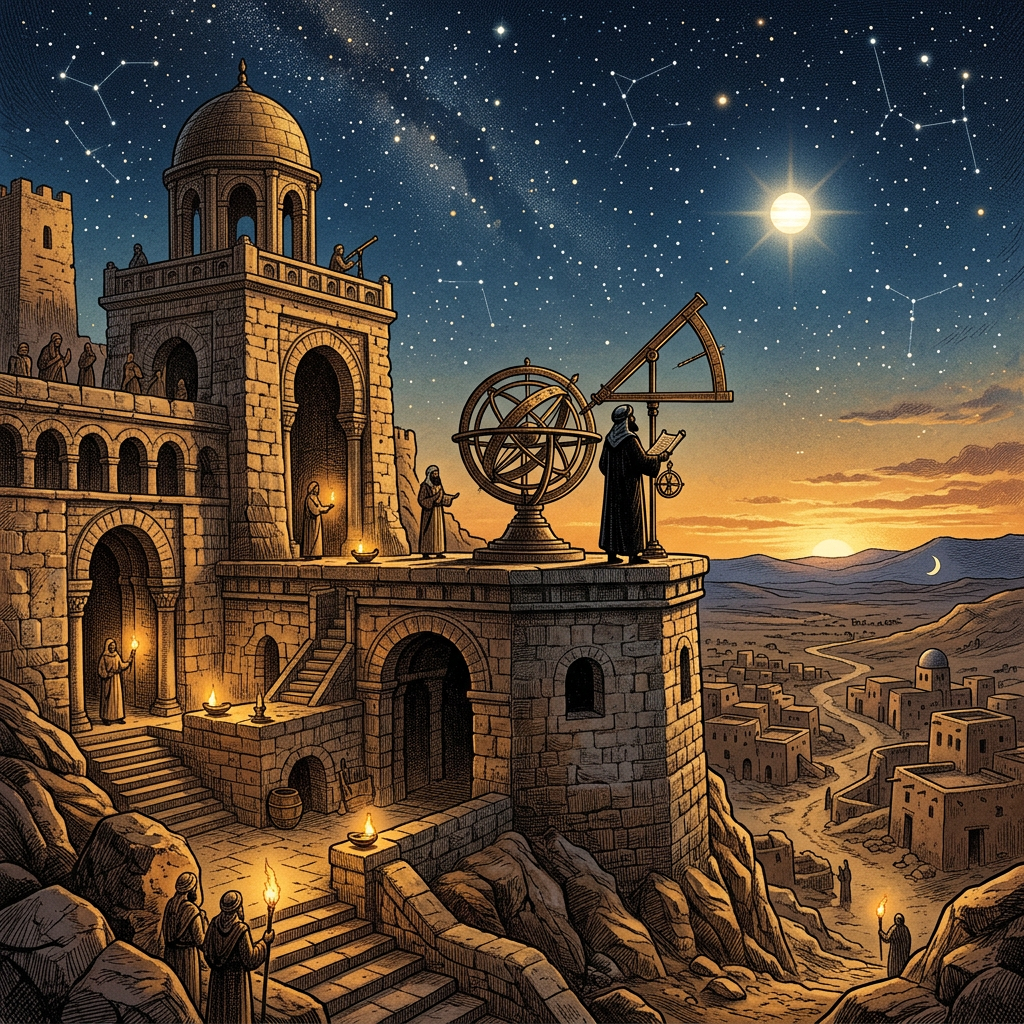
A multidisciplinary study published in the Journal of Astronomical History and Heritage has used high-fidelity orbital simulations to validate astronomical references found in 2nd millennium BCE Rigvedic texts. The research identifies a specific description of a rare planetary transit of Jupiter across the solar disc, which computational models place with high accuracy in the year 1750 BCE.
The study argues that the precision of these observations implies a highly developed tradition of naked-eye astronomy and the use of sophisticated gnomons to track celestial movements. This findings provide a new anchor point for the chronology of ancient Indian literature and demonstrate a profound understanding of long-term planetary cycles among early Vedic observers.