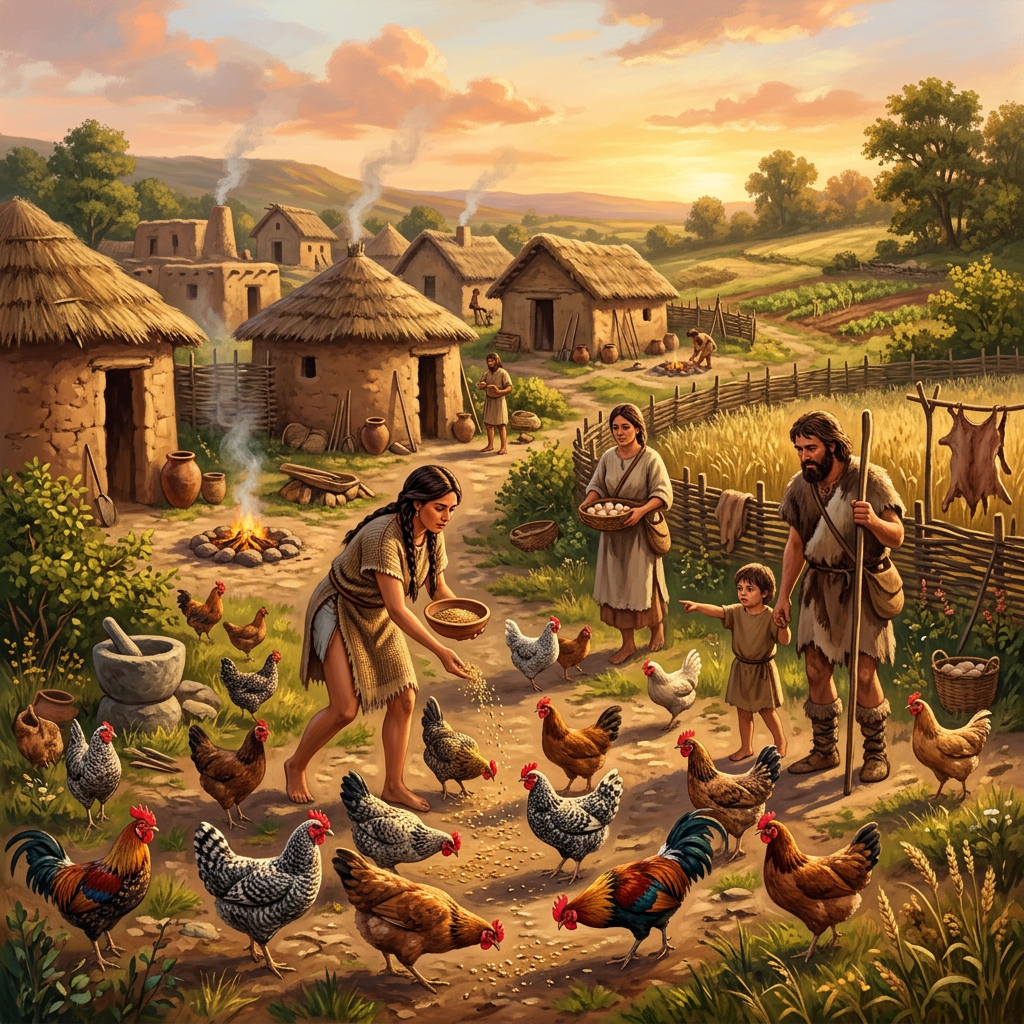
A large-scale genomic study published in Scientific Reports has provided new insights into the domestication history of the Red Jungle Fowl. By analyzing mitochondrial DNA from avian remains found at Neolithic sites in the Indus Valley and the Ganges Basin, researchers have confirmed that a distinct domestication event occurred in South Asia approximately 8,000 years ago.
The research suggests that early agricultural communities selectively bred these birds for ritual purposes and food, leading to a genetic divergence from wild populations. These domesticated lineages eventually spread through ancient trade networks, contributing to the global population of modern poultry and highlighting the role of the Southern Neolithic as a major center for biological innovation.