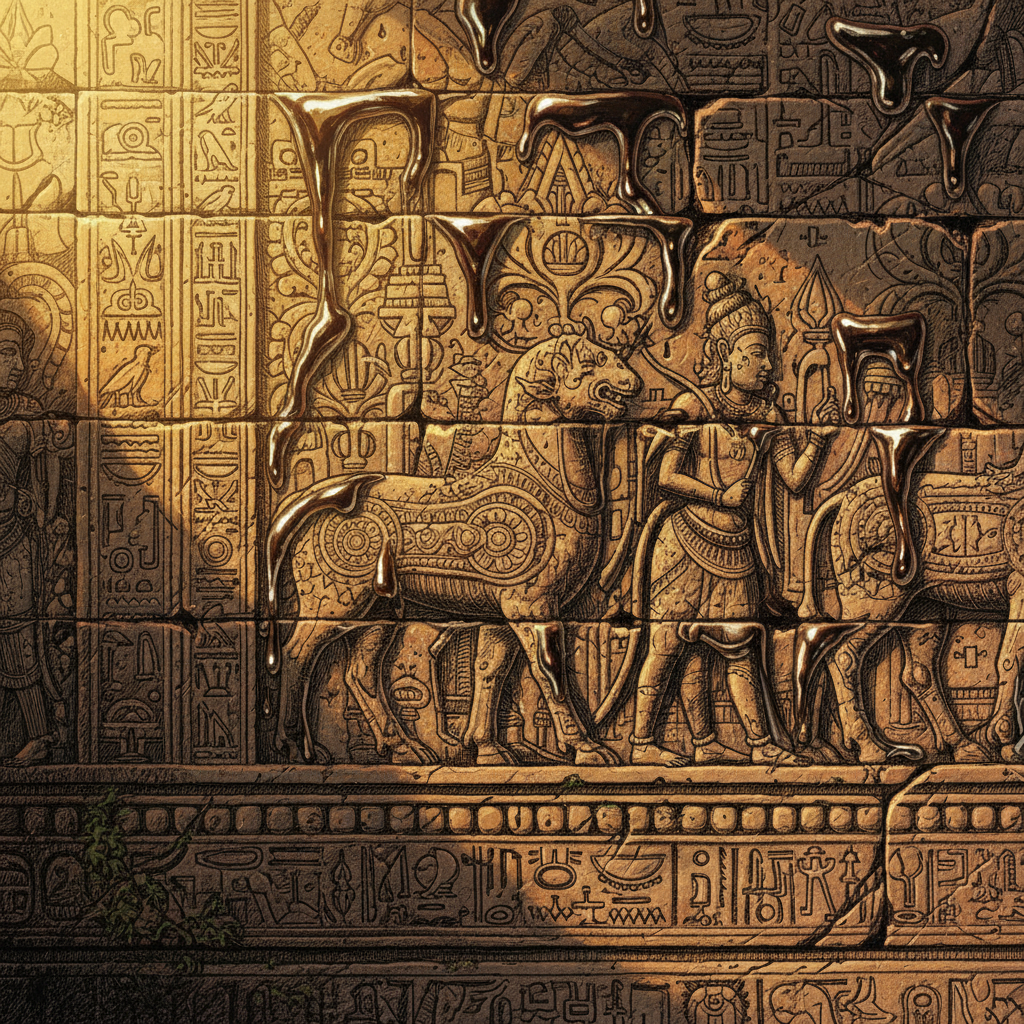
In the Rayalaseema region of Andhra Pradesh, researchers have identified a unique 10th-century temple belonging to the Renati-Chola dynasty. The temple is unique for its use of 'Herbal-Sealed' inscriptions—a rare technique where deep-cut stone epigraphs were filled with a resinous plant-based compound to protect them from erosion. These inscriptions detail a hitherto unknown list of local tax exemptions granted to potters and weavers, providing a rare look into the socio-economic life of the period.
The temple's architecture features a blend of Dravidian and early Chalukyan elements, including a low-rise Vimana and pillars carved with scenes from the Puranas. The discovery was made during a routine village heritage mapping project. Conservationists are now studying the composition of the ancient herbal sealant, which has allowed the Telugu-Kannada script to remain legible for over a millennium despite exposure to the elements.