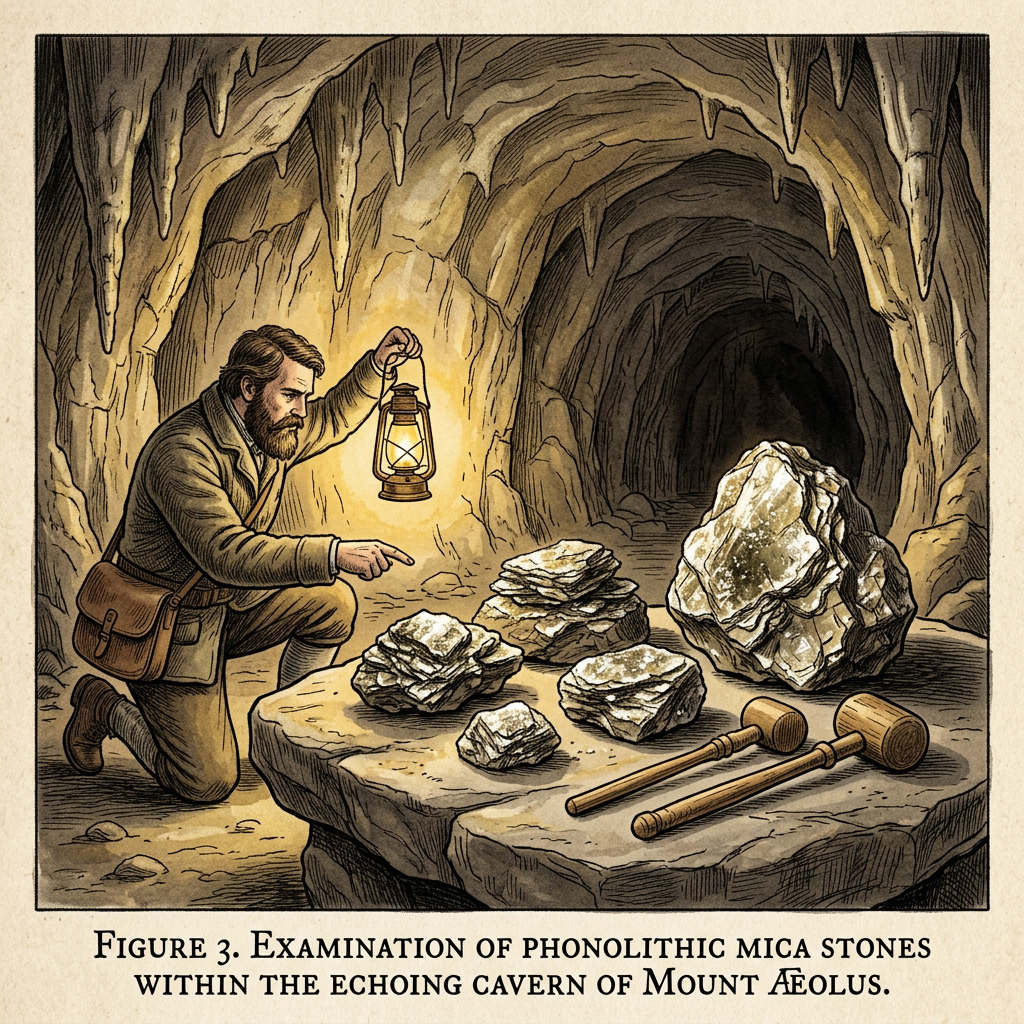
A recent excavation in the Blue Ridge Mountains of North Carolina has brought to light a series of mica-incrusted percussion stones and wooden beaters dating back to 500 AD. These artifacts, found within a high-altitude rock shelter, show distinct signs of intentional wear and are coated in a layer of galena dust, a mineral often associated with spiritual protection in Eastern Woodland cultures. Experts suggest these instruments were used to produce ritual rhythms during the Festival of the High Ridges, a seasonal gathering held by ancestral indigenous groups to honor mountain spirits.
The site’s proximity to a natural quartz outcropping suggests that the acoustics of the shelter played a vital role in the ceremony. By striking the mica-lined stones, participants created shimmering soundscapes that mirrored the visual properties of the mineral. This find underscores the importance of sensory experiences—both visual and auditory—in the heritage of ancient Appalachian ceremonialism and provides new insight into the communal lives of pre-colonial mountain dwellers.