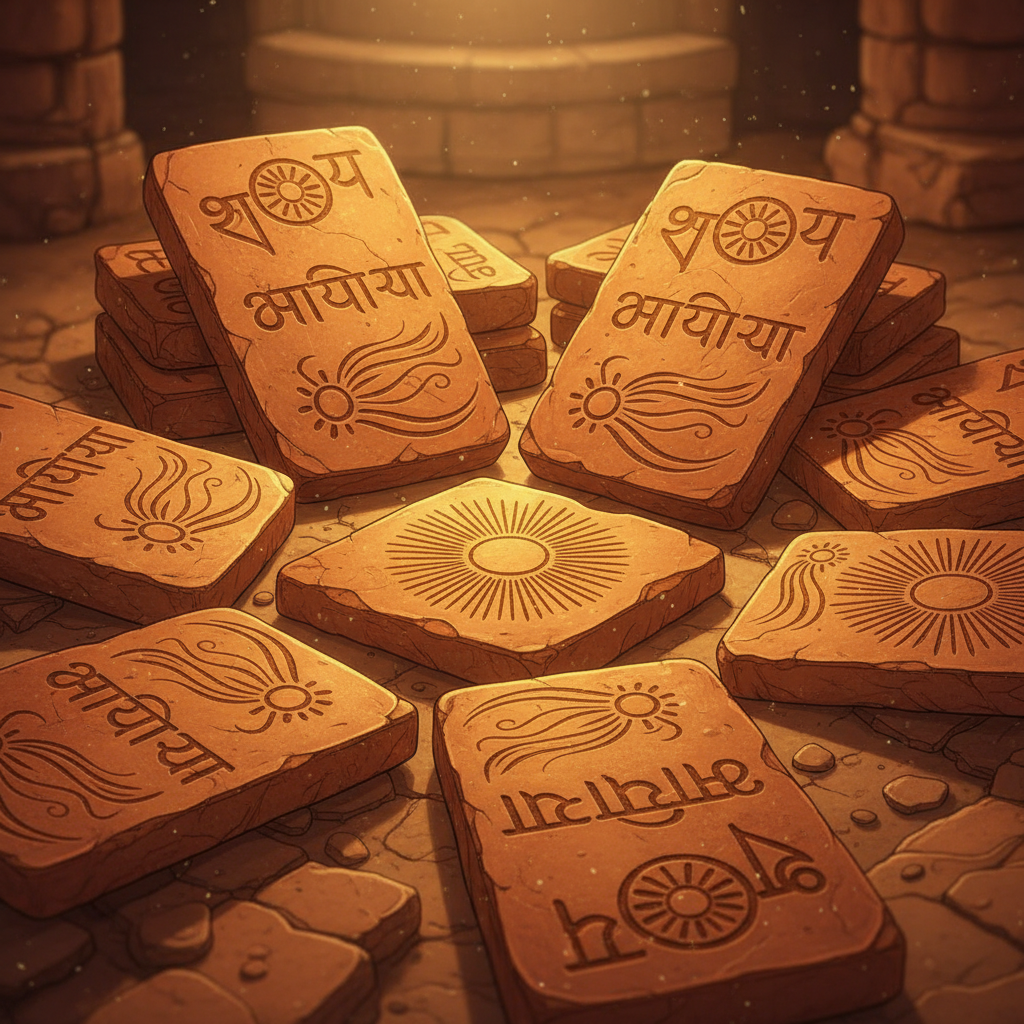
New excavations along the Narmada River have yielded a series of terracotta tablets dating back to the 6th century BCE. The inscriptions, labeled the 'Prana-Jyoti-Samyoga', explore the metaphysical union of vital breath (Prana) and internal illumination (Jyoti). The text posits that the breath is the vehicle through which the light of consciousness manifests in the physical realm, offering an early precursor to both Hatha Yoga and Vedantic internalism.
Researchers suggest that the tablets were used as instructional aids in an ancient 'Ashrama' or forest academy. The discovery is significant because it provides archaeological evidence for the systematic practice of breath-based meditation in Central India during the era of the Mahajanapadas. It highlights an early philosophical interest in the 'Antar-Jyoti' (inner light) as a measurable state of being rather than a purely poetic metaphor.