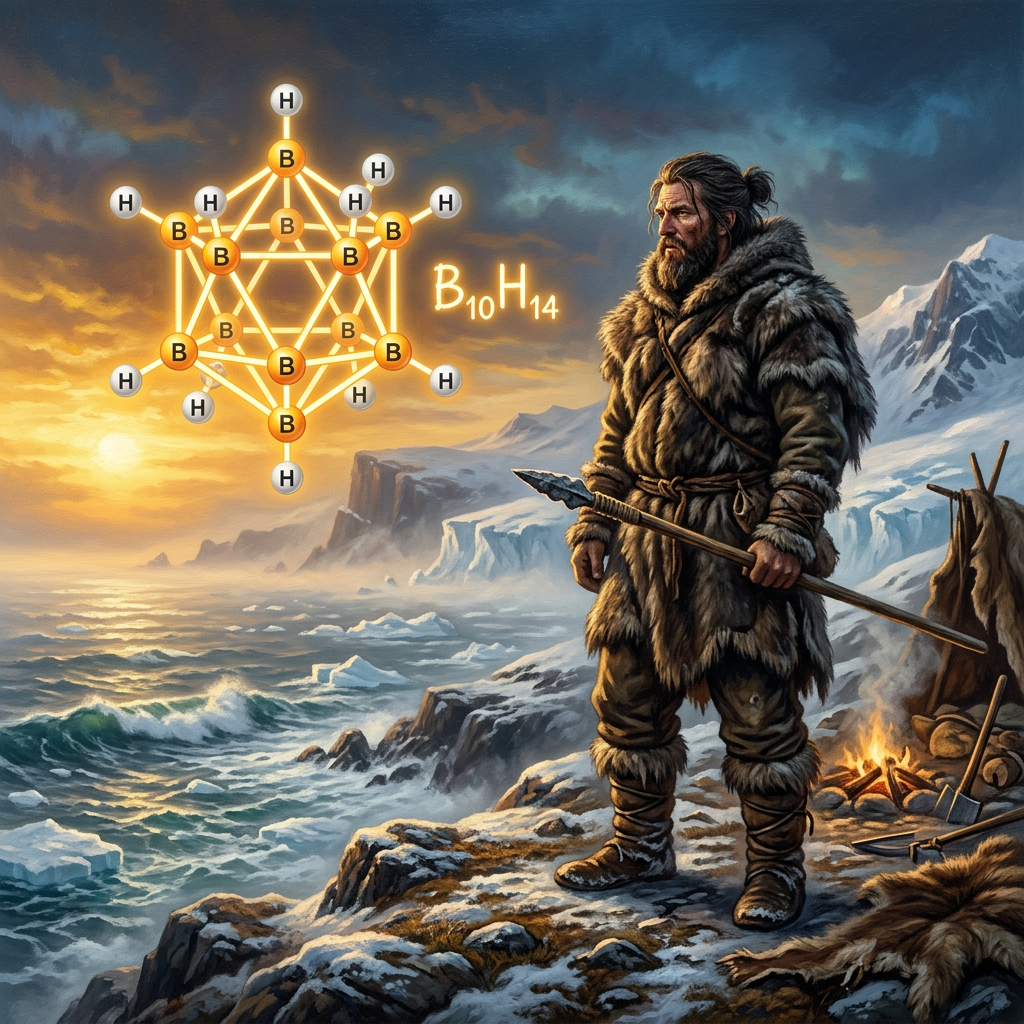
A large-scale paleogenomic study has successfully sequenced the remains of 12,000-year-old hunter-gatherers found near the Chukchi Sea. The findings, published in Science Advances, identify a specific genetic adaptation that allowed these populations to metabolize high levels of boron, which was concentrated in the local estuarine ecosystems and marine diet of the late Pleistocene.
This evolutionary trait suggests that early Arctic populations faced significant environmental toxicity during the post-glacial transition and adapted by developing specialized renal and metabolic pathways. The study provides critical evidence of the genetic flexibility of early humans as they migrated into the northernmost reaches of the Eurasian continent and adapted to unique coastal chemistry.