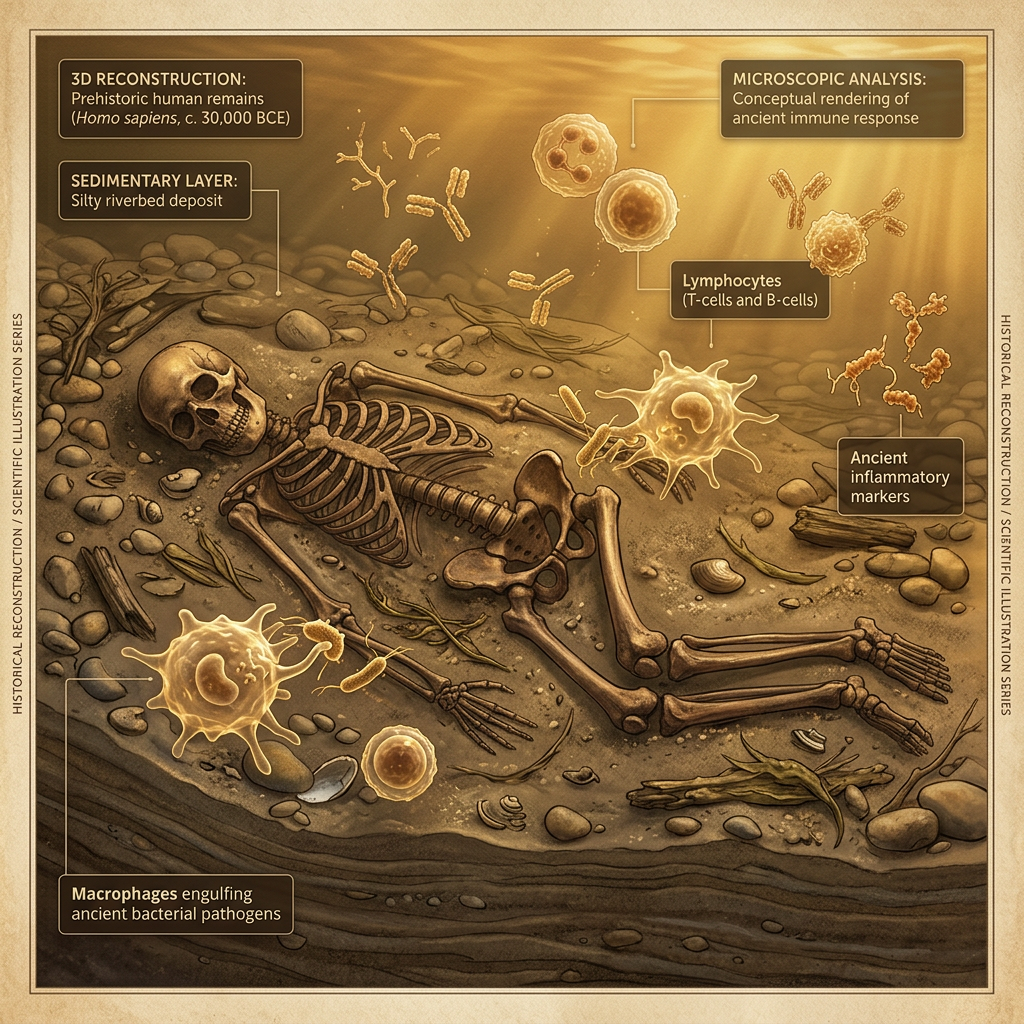
In a study released on April 3, 2026, in Science Advances, paleogeneticists have mapped the genome of 12,000-year-old remains from the Pearl River Delta in South China. The research identifies the earliest documented genetic adaptation to endemic fluvial parasites, specifically targeting the Schistosoma genus. This genetic shift provided early post-glacial hunter-gatherer populations with an evolutionary advantage, allowing them to exploit high-protein aquatic resources in wetland environments that were lethal to other groups.
Led by the Guangdong Institute of Paleogenomics, the team discovered that this adaptive trait was linked to a specific mutation in the immune-response pathways. The findings trace the deep ancestry of coastal and riverine populations in East Asia, demonstrating that environmental health stressors were a primary driver of genetic diversification even before the advent of agriculture and permanent settlements.