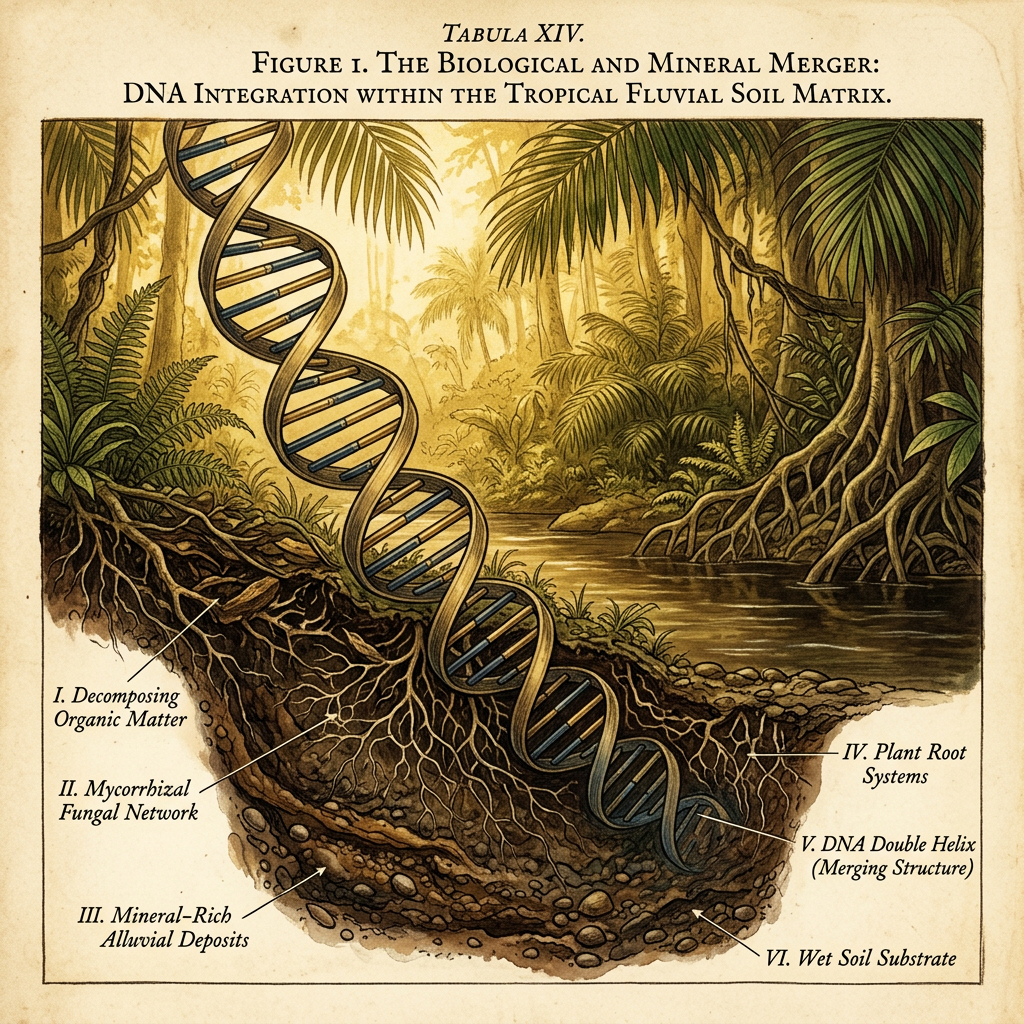
Published on April 11, 2026, in Nature Genetics, a landmark paleogenomic study has successfully sequenced the DNA of 5,000-year-old human remains found in the Maiko Basin of Central Africa. The analysis reveals a distinct genetic lineage that possesses unique markers for the metabolism of heavy metals, specifically identifying the first known prehistoric human adaptation to high-manganese soil environments. This evolutionary trait likely allowed early hunter-gatherer populations to thrive in mineral-dense regions that were otherwise toxic to neighboring groups.
The study, led by the African Paleogenomics Consortium, suggests that this 'Maiko' lineage remained isolated for several millennia, developing specialized hepatic enzymes to mitigate mineral toxicity. These findings provide a new understanding of how micro-environmental pressures shaped the human genome in Sub-Saharan Africa during the transition from the Holocene to the Bronze Age, challenging previous models of uniform continental migration.