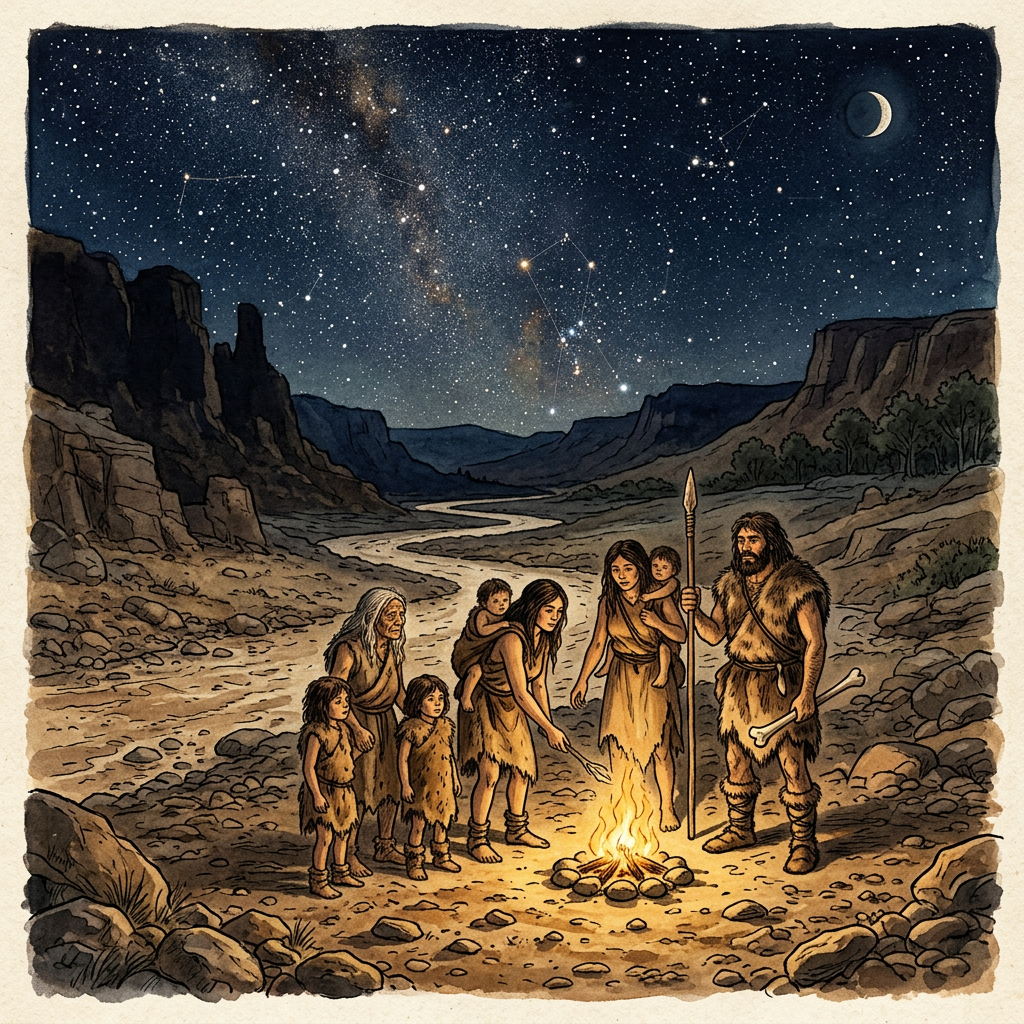
New ancient DNA research conducted on remains found near the Orange River has uncovered a unique genetic signature dating back to the terminal Pleistocene. The study, led by the Global Anthropology Initiative, identifies specific alleles linked to metabolic efficiency and water retention, providing the first concrete evidence of early human adaptation to the increasing aridity of the Southern African landscape.
This genomic mapping reveals a significant population bottleneck followed by a period of rapid selection for traits that supported survival in low-resource environments. The research provides a critical link in understanding the genetic history of desert-dwelling populations and their long-term physiological responses to climate-driven environmental shifts over 13,000 years ago.