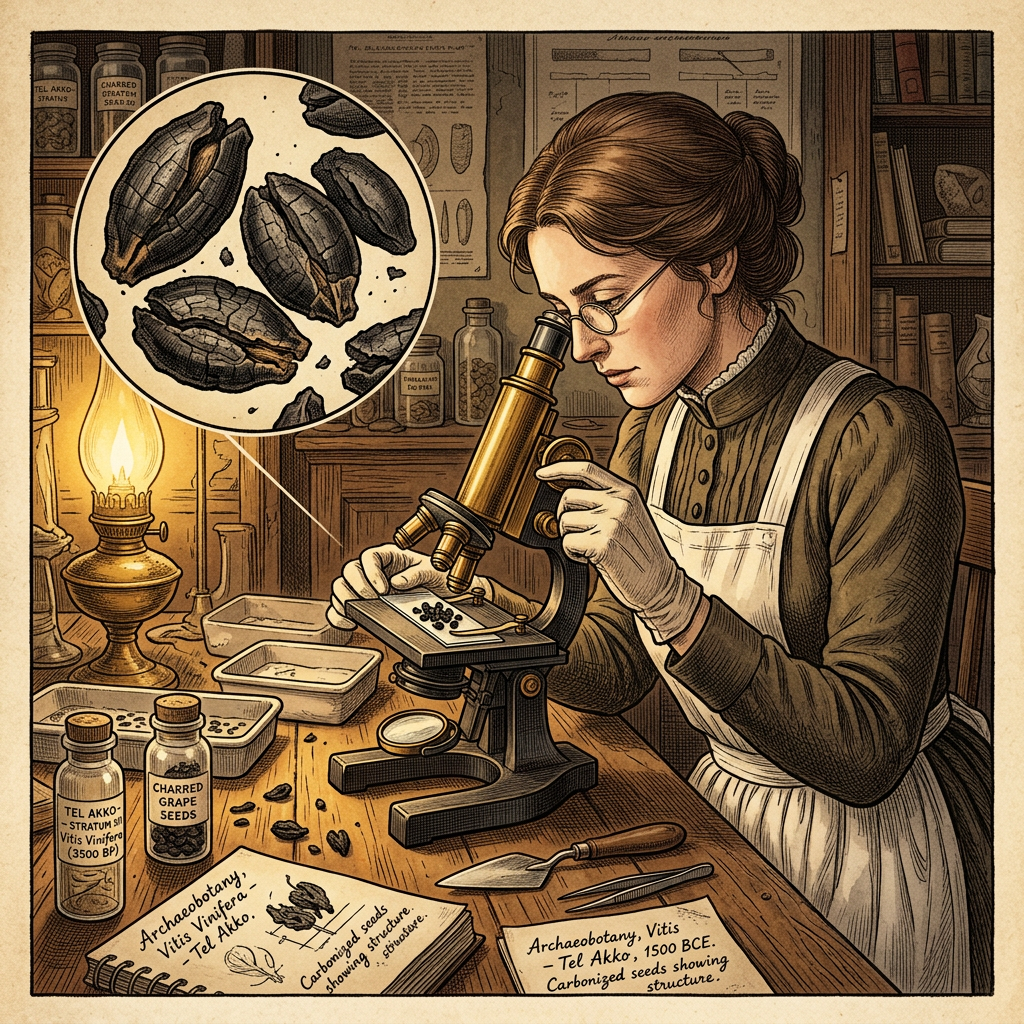
A new study using isotopic analysis of 3,500-year-old grape seeds has provided definitive evidence that a severe, century-long mega-drought was the primary driver behind the collapse of the El Argar culture in Southeast Spain. The data shows a sudden and dramatic drop in available soil moisture that coincides exactly with the abandonment of major Argaric hilltop settlements.
The findings suggest that the culture's sophisticated agricultural systems were unable to cope with the prolonged aridity, leading to social fragmentation and the eventual dissolution of the kingdom. This research highlights the vulnerability of early complex societies to abrupt climate shifts and serves as a historical case study for modern Mediterranean climate resilience.