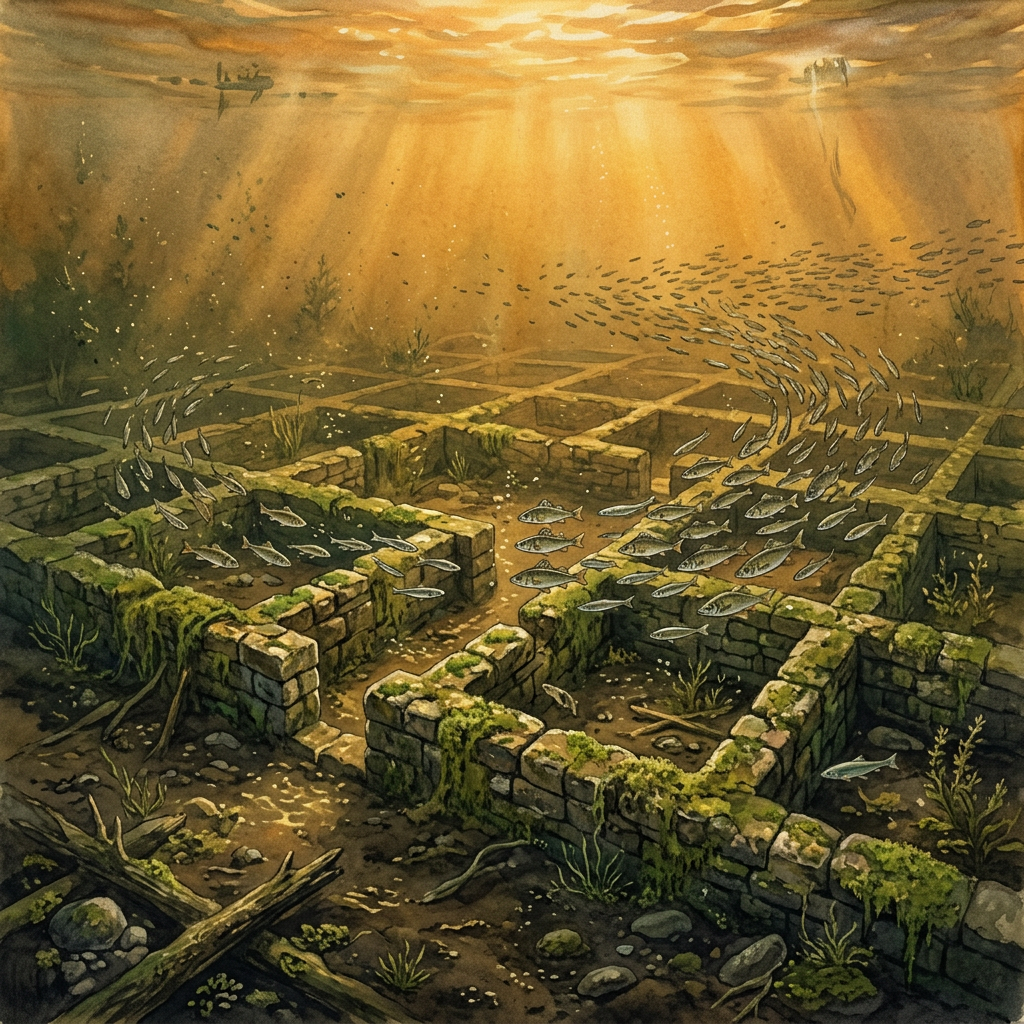
Marine archaeologists from the University of La Paz have announced the discovery of a vast, grid-like network of stone and peat foundations resting on the floor of Lake Titicaca. Using advanced high-resolution bathymetric sensors, the team identified over 400 hectares of submerged structures that appear to be the precursors to the famous chinampas or raised-bed agricultural systems of the later Aztec and Inca empires.
These "floating terraces" were designed to manage water temperature and ensure crop survival at extreme altitudes. Preliminary carbon dating of the organic filler between the stone blocks places the construction around 500 BCE, suggesting that early Pukara or pre-Tiwanaku cultures had mastered complex hydraulic engineering far earlier than previously documented. The find challenges the narrative of Andean urban development, suggesting that the lake's shores were once home to a massive, semi-aquatic agrarian society.