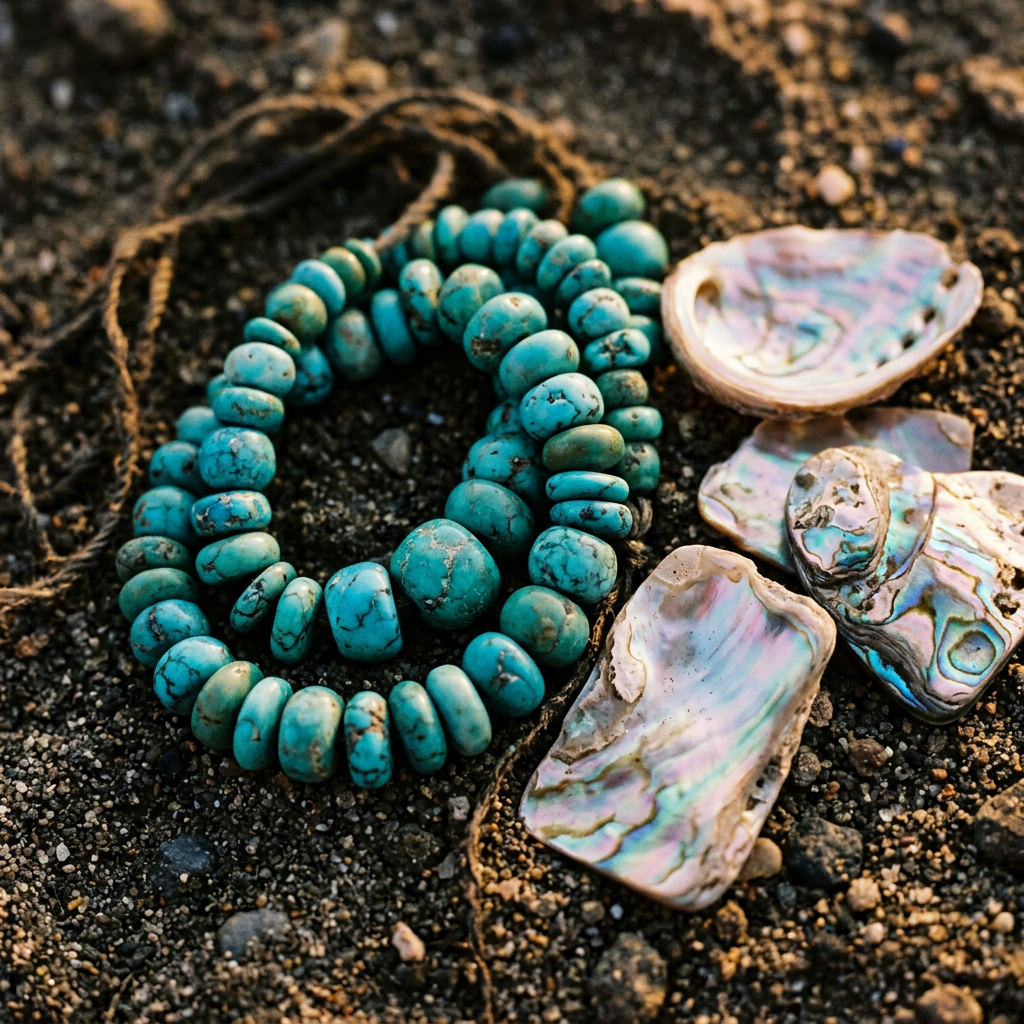
New archaeological research published this week has unveiled a sophisticated maritime trade network that connected the Gulf of California to the Pacific Northwest as early as 500 CE. By utilizing advanced isotopic analysis on turquoise beads and mother-of-pearl (nacre) ornaments, scientists have traced the movement of luxury goods across nearly 3,000 miles of coastline.
The study suggests that Indigenous seafaring communities utilized seasonal currents to exchange high-status minerals for marine resources. This discovery challenges previous assumptions about the isolation of coastal cultures, proving that complex economic and diplomatic links existed along the Pacific Seaboard long before European contact.