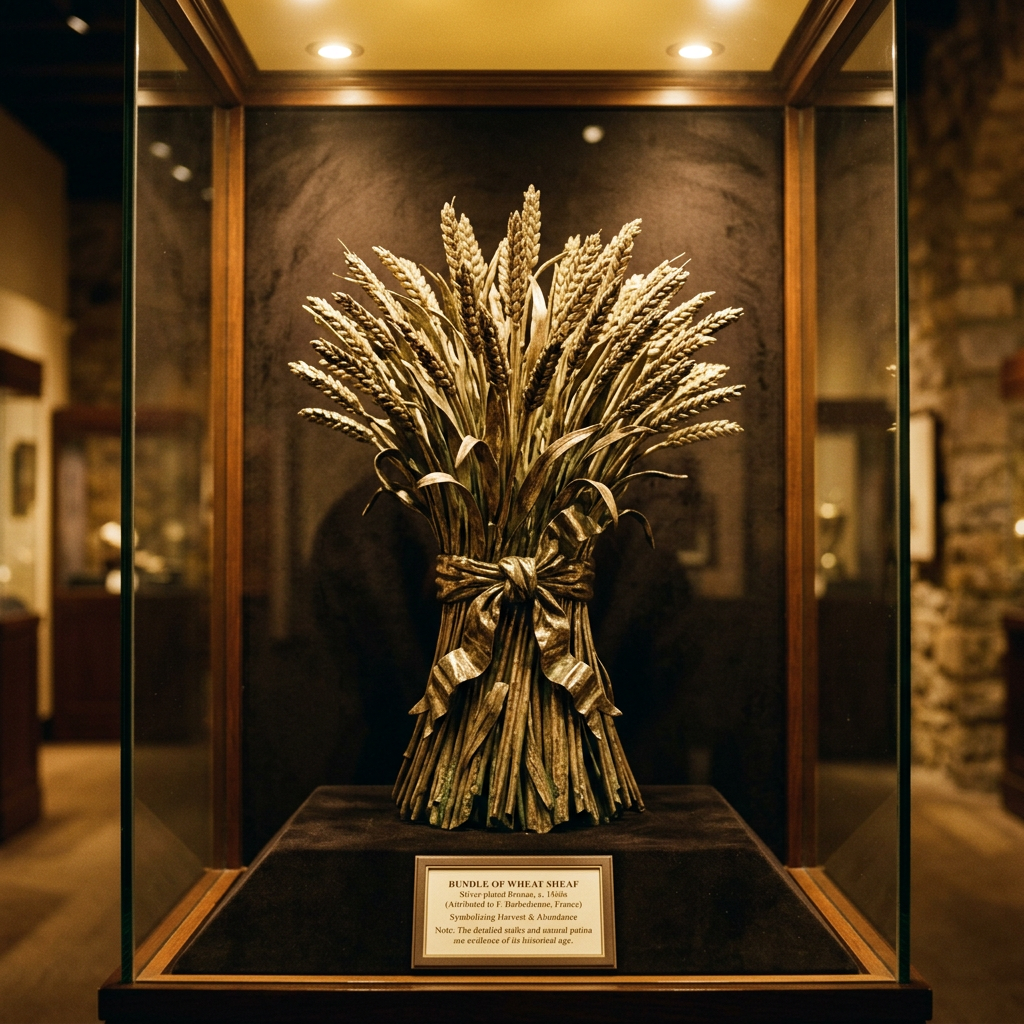
Excavations at an Etruscan sanctuary near Orvieto, Italy, have revealed a remarkable cache of silver-gilded bronze wheat stalks. These exquisitely crafted votives were found in a dedicated "favissa" (sacred pit) alongside thousands of carbonized grains. Scholars believe these artifacts represent the earliest physical precursors to the Cerialia festival, a harvest celebration later adopted and expanded by the Romans.
The discovery includes inscribed lead tablets that list the quantities of wine, oil, and grain required for the multi-day festival, providing unprecedented insight into the logistical management of ancient religious fairs. The use of silver gilding on the wheat models suggests that the festival was a major state-sponsored event designed to showcase the wealth and agricultural bounty of the Etruscan city-state.