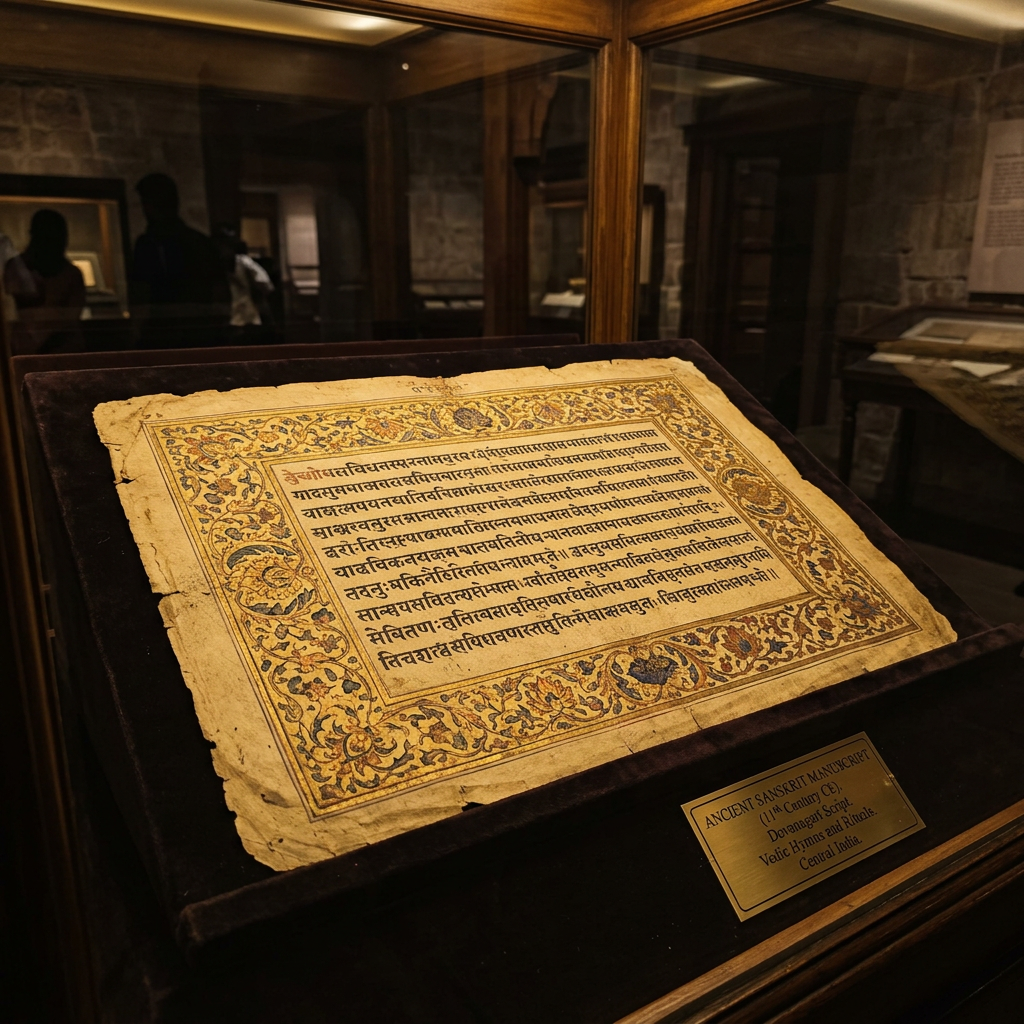
In the rural archives of the Malwa region, researchers have identified a unique 12th-century Sanskrit manuscript titled 'Jnana-Dhatri-Niti'. The text outlines a comprehensive 'Philosophy of Intellectual Charity,' arguing that the hoarding of wisdom is a spiritual transgression. It establishes an ethical framework for the free dissemination of knowledge, positioning the teacher (Dhatri) as a steward of universal truths rather than an owner.
This discovery provides a rare look into the social ethics of medieval Indian academic centers. The manuscript includes chapters on the 'virtue of clarity' and the 'ethics of debate,' emphasizing that philosophical discourse should be a collaborative endeavor aimed at collective liberation rather than personal triumph. Scholars are noting the text's surprising relevance to modern discussions on open-access knowledge and intellectual property.