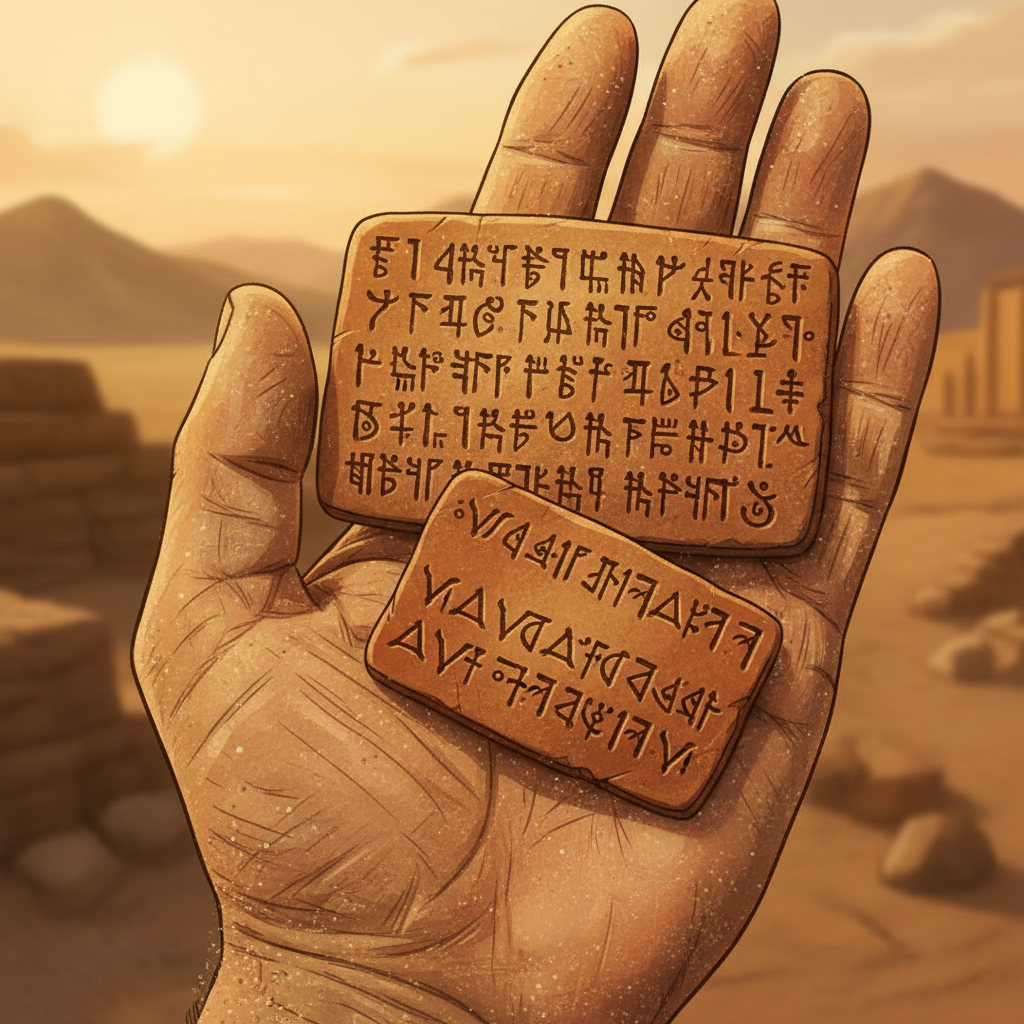
Excavations in the ruins of Persepolis have yielded a cache of clay tablets from the 6th century BCE that explore the metaphysical concept of Asha. The tablets describe a cosmic truth that governs the physical and moral realms, closely paralleling the early Vedic understanding of universal law and sacrificial integrity.
The text provides instructions for "Living in Truth," which the authors argue is the only way to align the human soul with the primordial harmony of the universe. This discovery provides critical evidence for a shared philosophical substrate between the early Indo-Iranian peoples, focusing on the ethics of truth-telling and environmental stewardship.